Key Takeaways:
|
Event video production should not end with a recap that your team posts once and forgets. For business-to-business (B2B) marketing teams managing conferences, summits, customer events, and executive gatherings, the bigger question is whether the footage can support pipeline after the room clears out.
This guide breaks down how stronger teams approach event video production in 2026. It covers which deliverables create the most value, how production needs change by event type, what hybrid and livestreamed events require, and how to turn a one-day event into a reusable content system.
What Is Event Video Production?
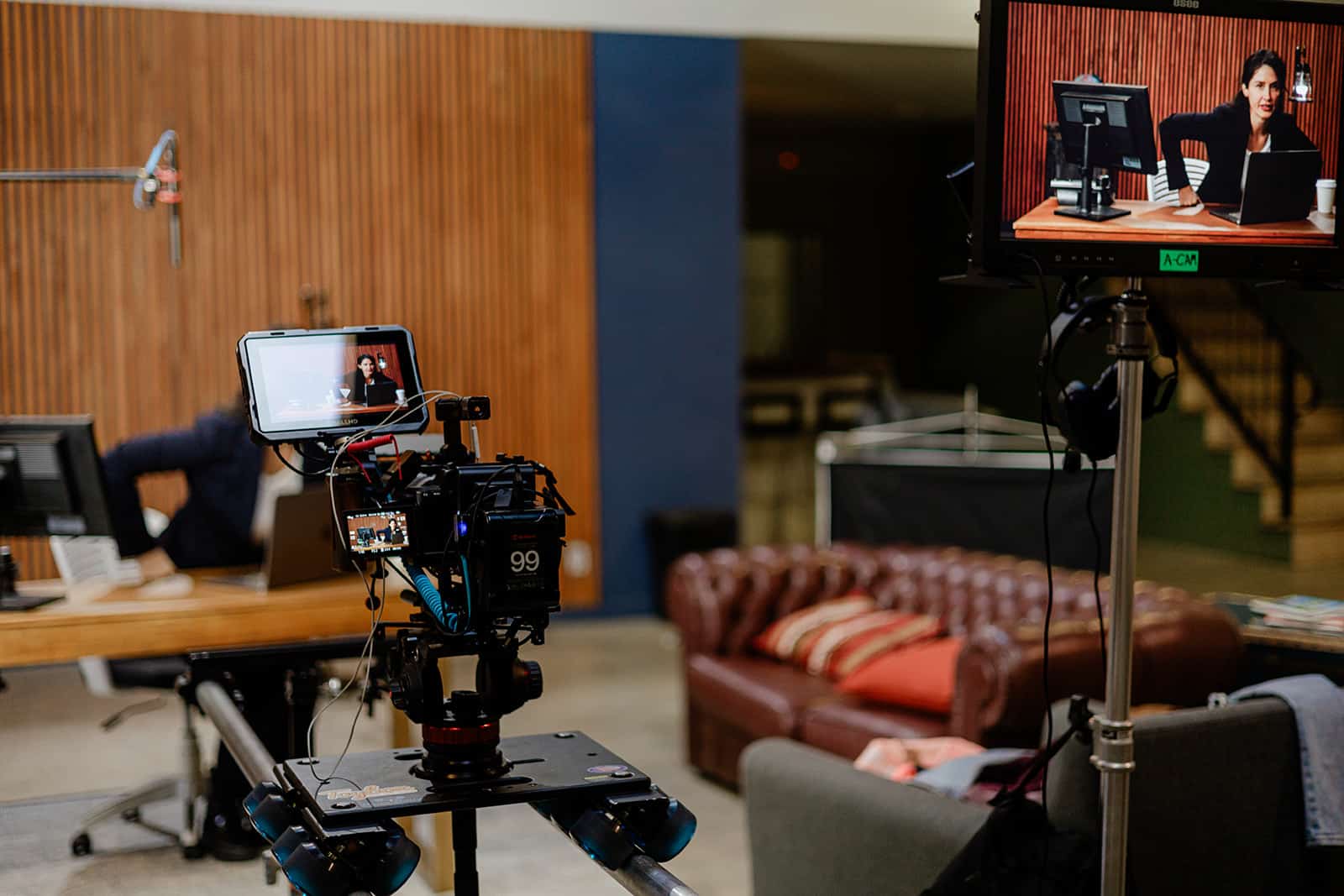
Event video production is the process of capturing, planning, editing, and distributing video assets from live events to support marketing, sales, brand, and communication goals.
The category covers far more than a single recap video. Strong production teams plan for multiple deliverables tied to specific audiences and channels before the event starts.
Depending on the event type, production can include:
- Event Highlight Reels: Short recap videos designed for post-event promotion, brand visibility, and social distribution.
- Speaker Session Recordings: Full keynote or breakout session captures for gated content, webinars, or ongoing educational use.
- Customer and Executive Interviews: On-site interviews that create thought leadership, testimonials, and campaign assets.
- Short-Form Social Clips: Vertical edits, teaser cuts, and speaker soundbites built for LinkedIn, paid media, and demand gen channels.
- Livestream Support: Multi-camera switching, live broadcasting, remote attendee feeds, and hybrid audience management.
- Sponsor Deliverables: Branded clips, logo placements, attendee engagement footage, and recap assets for sponsors.
- Internal Communications Content: Executive messaging, team updates, culture content, and organizational announcements captured during internal events.
The result should be a clear set of assets mapped to the channels, teams, and audiences that will use them.
Event Video Production Is More Than Event Videography
There is a meaningful difference between filming an event and producing event content that supports revenue goals. Videography documents what happened, while production plans what the footage needs to accomplish afterward.
A videographer may capture keynote footage and crowd shots. An event production team builds a content strategy around distribution, editing intent, audience segments, and post-event usage.
This is the same distinction discussed in video production versus videography, where production strategy drives outcomes instead of simple event documentation.
The difference shows up in planning. Stronger teams ask questions before production begins:
- Where will each asset live after the event?
- Which audiences need different edits?
- What content supports sales conversations?
- Which sessions should become gated resources?
- What clips support paid campaigns?
- Which executives or customers should appear on camera?
Most B2B event videos underperform because nobody answers those questions early enough.
Why Event Video Production Matters More Now
Events have become more expensive to run, harder to justify internally, and more scrutinized by leadership teams. Marketing leaders are under pressure to prove revenue contribution from every major spend category.
According to Freeman’s Event Organizer Trends Report, 77% of event organizers say leadership expects clearer ROI measurement from events than in previous years. That pressure changes how event content gets evaluated.
Buyers and attendees also have higher expectations. They expect event content to be accessible quickly, edited for the channel they are using, and useful beyond the people who were in the room. Audiences expect access to event content, whether or not they attended live.
A one-day event with no reusable content has a short business lifespan. A well-planned production strategy extends the value of the event across multiple quarters through:
- Ongoing demand generation assets
- Sales enablement content
- Executive communication
- Thought leadership distribution
- Retargeting campaigns
- Recruitment and employer branding
- Sponsor reporting and renewal support
Event footage now has to work for more than post-event promotion. It may need to support nurture, sales follow-up, sponsor reporting, internal communication, and executive visibility. The companies seeing stronger returns are building smarter distribution systems around the content already captured.
What Event Video Production Deliverables Create the Most Value?
Not every deliverable contributes equally to business outcomes. The most effective production plans prioritize assets based on how they will actually be used after the event.
| Deliverable | Best Use | Shelf Life | Main Business Value |
| Event Highlight Reel | Post-event recap, social promotion, and sponsor visibility | 1-3 months | Extends event momentum and gives stakeholders a polished summary asset |
| Short-Form Speaker Clips | LinkedIn, paid media, SDR follow-up, and email nurture | 3-6 months | Turns event insights into reusable demand generation content |
| Full Session Recordings | Gated content, webinar replay, and customer education | 6-12 months | Creates long-tail educational assets from high-value sessions |
| Customer or Executive Interviews | Sales enablement, thought leadership, and landing pages | 6-12 months | Captures credible voices that support pipeline conversations |
| Sponsor and Stakeholder Assets | Sponsor reporting, renewals, and internal communication | 1-6 months | Helps prove event value to commercial and internal stakeholders |
| Hybrid or Livestream Recordings | Remote audience access, post-event replay, and segmented edits | 3-9 months | Expands reach beyond the room and creates content for non-attendees |
Short-Form Assets Extend Reach Before and After the Event
Short-form content usually creates the highest distribution volume because it fits naturally into existing demand gen channels. High-performing short-form assets include:
- Speaker Teaser Clips: Build anticipation before the event and promote session attendance.
- LinkedIn Snippets: Repurpose keynote insights into social-ready thought leadership.
- Attendee Reaction Clips: Create credibility and social proof quickly after the event.
- Vertical Mobile Edits: Support paid campaigns and organic social distribution.
- Executive Soundbites: Turn leadership commentary into fast-moving campaign assets.
This overlap becomes especially important when teams use event footage alongside broader promotional video production efforts across paid media and outbound campaigns.
Effective short-form assets depend on intentional capture: clean soundbites, tight framing, and moments that can stand alone outside the event context. Teams that wait until post-production often realize too late they missed the shots, framing, or interview structure needed for distribution.
Long-Form Assets Extend Educational Value
Conference video production often creates long-tail value through educational content that continues supporting demand generation after the event ends. Strong long-form assets are built for reuse across multiple channels and teams, not just archival storage.
- Full Keynote Recordings: Support gated lead generation and webinar replay campaigns.
- Breakout Session Edits: Create educational content for nurture sequences and customer onboarding.
- Panel Discussions: Help position executives and speakers as industry authorities.
- Customer Roundtables: Provide credible peer insights that sales teams can reuse in conversations.
- Executive Interviews: Extend thought leadership into landing pages, email campaigns, and SDR outreach.
- Workshop Recordings: Turn tactical event sessions into ongoing training and educational resources.
A conference should not disappear after the closing session. Strong production teams treat educational sessions like future content libraries.
Sponsor and Stakeholder Assets Support Commercial Outcomes
Sponsors increasingly expect measurable visibility from event partnerships, while internal stakeholders need content that supports reporting, executive communication, and cross-functional buy-in. A stronger production plan accounts for both groups before the event begins.
- Sponsored Social Clips: Give sponsors post-event visibility they can share across their own channels.
- Branded Interview Segments: Create partner-friendly content that supports sponsor value and audience education.
- Logo Integration Within Recap Edits: Reinforce sponsor presence in assets used for follow-up and reporting.
- VIP Activation Coverage: Captures high-value moments that help support sponsor renewals and stakeholder updates.
- Sponsor Testimonial Footage: Gives partnership teams proof points for future event sales conversations.
- Internal Recap Videos: Help leadership summarize event outcomes for boards, teams, and budget owners.
- Leadership Messaging: Turns executive remarks into reusable communication assets for internal alignment.
- Employee Engagement Footage: Supports recruiting, culture communication, and post-event internal visibility.
Production becomes easier to justify internally when multiple departments benefit from the output.
Match the Production Strategy to the Event Type
Different event types require different production priorities because the audience expectations and business goals are different. Treating every event the same usually creates weak deliverables.
- Conference Video Production: Prioritize education, authority, and long-tail content distribution. Production planning should account for multi-camera session capture, clear speaker audio, slide integration, livestream readiness, speaker interviews, and educational content repurposing.
- Gala and Brand Event Coverage: Prioritize perception, atmosphere, and emotional momentum. Production planning should focus on environment coverage, crowd energy, VIP interactions, brand presentation, guest experience moments, and editing choices that reinforce the event’s identity.
- Internal and Executive Events: Prioritize alignment, communication, and controlled distribution. Production planning should account for executive messaging, internal formats, handling confidential sessions, employee engagement footage, department-specific edits, and recruiting assets.
- Regional Events: For companies managing regional or nationwide events, consistency in local execution also matters. A team planning event video production in San Diego may need to account for venue logistics, local crews, and market-specific details, but the core production strategy should still align with the broader event goals.
Why Hybrid Event Production Needs a Different Strategy
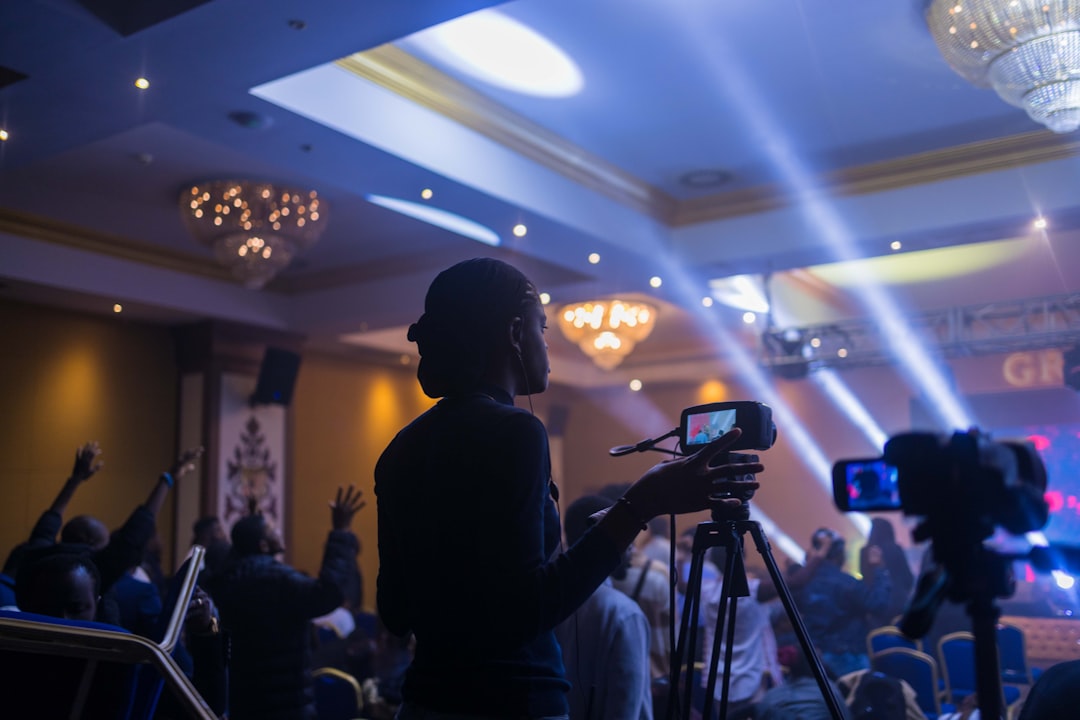
Hybrid events add complexity because the production team must support two audiences at once: those in the room and those joining remotely. That affects the technical plan, the run of show, and how content is edited after the event.
Hybrid and live event video production often requires:
- Multi-camera switching
- Live streaming infrastructure
- Audio redundancy
- Remote attendee feeds
- Graphics integration
- Real-time presentation support
- Internet bandwidth planning
- Backup recording systems
The timeline is also less forgiving. A livestream issue cannot be fixed in post-production, so teams should review these hybrid event production tips before planning begins.
Content formatting matters too. A 45-minute keynote may work in the room, but remote viewers usually need shorter clips, segmented edits, and clear takeaways. Hybrid production works best when both audiences are considered from the start.
Checklist: Questions to Answer Before Investing in Event Video Production
Before approving production budgets, marketing leaders should pressure-test the strategy behind the coverage. A strong production partner should help answer these questions early:
- What business outcome should the event content support? Pipeline generation, thought leadership, sales enablement, sponsor retention, or executive communication all require different approaches.
- Which deliverables matter most after the event? Recaps alone rarely justify the investment.
- What distribution channels will the assets support? LinkedIn, SDR outreach, paid campaigns, webinars, landing pages, and internal communications require different edits.
- Which speakers or customers should appear on camera? Strong interview planning usually determines post-event content quality.
- What content needs to be captured live versus staged later? Some executive interviews work better outside the event environment.
- Does the production team understand B2B demand generation? Production quality alone will not create performance outcomes.
- What happens to the footage after delivery? Asset organization and post-event usage planning matter as much as the shoot itself.
Many companies choose vendors based on demo reels rather than on operational strategy. If you are evaluating providers, this comparison of the best event video production companies offers a useful breakdown of how different production teams approach event execution.
Event Video Production Works Best When the Strategy Starts Before the Cameras Arrive
The best event video production plans make one thing clear before the crew arrives: what each asset needs to do after. Some footage will support paid campaigns or help sales teams continue conversations. Other footage will give sponsors, executives, or internal teams proof that the event created value.
LocalEyes approaches event video production the same way B2B marketing leaders evaluate every other campaign investment: through outcomes, distribution strategy, and long-term performance value. Multi-asset delivery, channel planning, and post-event usability matter more than footage that only looks good in a recap.
See how LocalEyes builds corporate video production services around reusable campaign assets, pipeline support, and post-event content value.
Author

Founder at LocalEyes Video Production | Inc. 5000 CEO | Emmy Award Winning Producer