Fast answer
Key Takeaways
- Most LocalEyes Video Production corporate projects land between $15,000 and $30,000, and scoped projects start around $10,000, priced by scope rather than a rate card.
- Shoot days, cities, finished deliverables, and animation move a corporate video quote far more than runtime, so price the asset list, not the minutes.
- Brand films and event recaps sit at the top of agency rate guides, while remote executive messages and simple testimonials sit at the bottom.
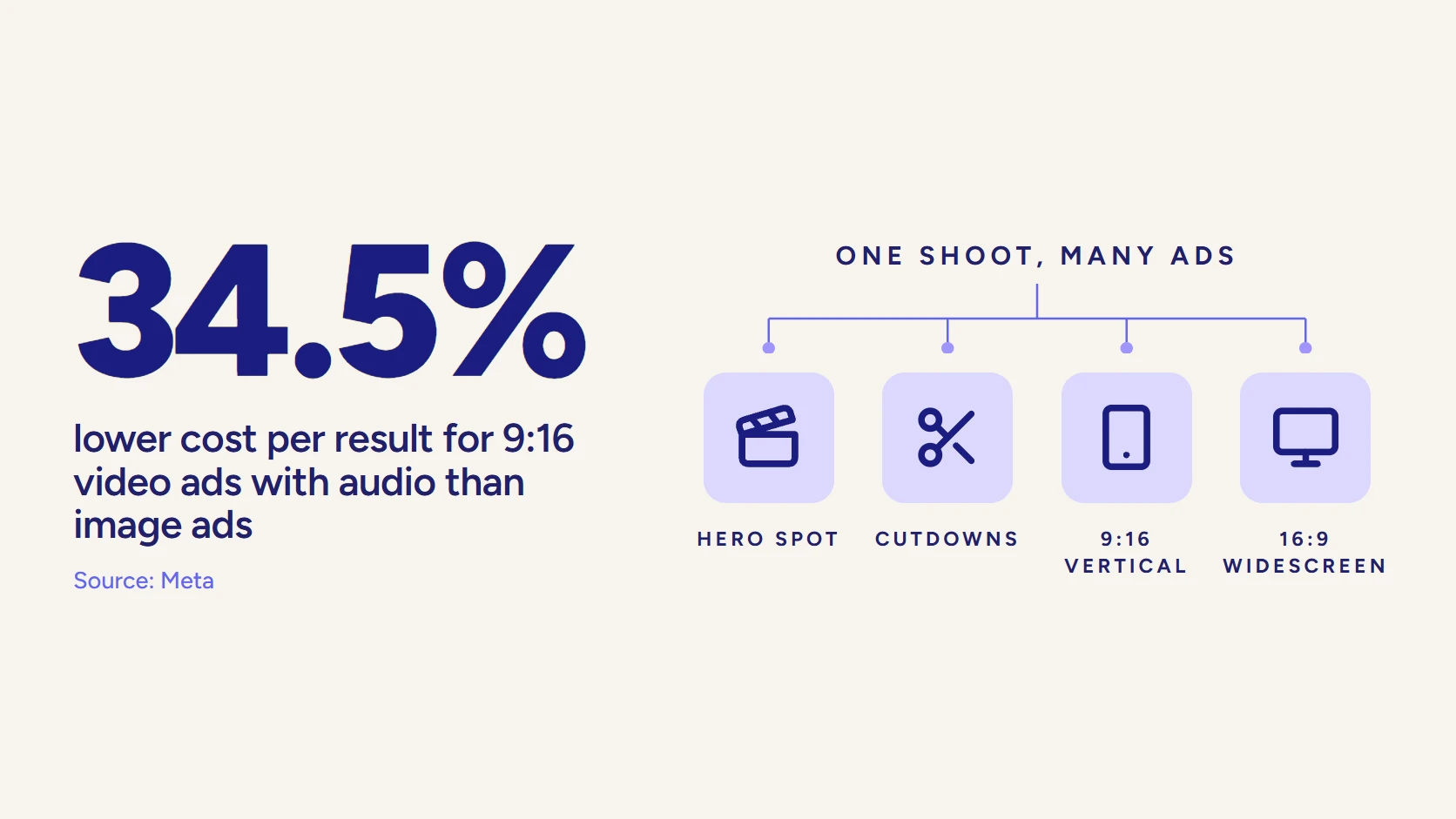
- Planning a hero film plus cutdowns from one shoot drops the cost per finished asset, because crew, travel, and setup are paid only once.
- Prove ROI by tying each asset to a metric finance already tracks, such as pipeline influenced, landing-page conversion, or sales-cycle length.
How much does corporate video production cost in 2026? One widely used agency rate guide spans from $2,500 for a basic internal piece to $100,000 or more for a high-end brand campaign, with executive messages, training modules, testimonials, event recaps, and brand films in between. At LocalEyes Video Production, most projects land between $15,000 and $30,000, and scoped projects start around $10,000.
The spread is not noise. It is scope.
And the pressure on that scope is real. Gartner’s 2026 CMO Spend Survey found marketing budgets barely moved, rising to 7.8% of company revenue from 7.7% the year before, while CMOs now steer an average of 15.3% of those budgets toward AI. A corporate video has to win its line against everything else on the plan, which means the number has to be explainable, not just affordable.
So this guide goes in the order a quote is actually built: what the money pays for, the drivers that swing it, then a price band for each type of corporate video, how one shoot lowers the cost of every asset, and how to budget and prove the return.
Summary
Corporate Video Cost: The Short Answer
- Price follows scope: shoot days, cities, finished deliverables, and animation.
- Brand films and event recaps sit at the top of agency rate guides; remote executive messages sit at the bottom.
- LocalEyes Video Production: most projects $15,000 to $30,000, scoped projects from around $10,000.
- One production that yields a hero film plus cutdowns lowers the cost of every finished asset.
What Are You Paying for in a Corporate Video Budget?
You are paying for a process, not a shoot day. Filming is the visible part, but a corporate video budget also carries the thinking before the camera and the finishing after it, and each stage costs real hours whether or not the quote breaks it out.
- Pre-production. Discovery, scripting, creative direction, scheduling, and stakeholder alignment, the work that decides whether the shoot runs on a plan or on luck.
- Production. Crew, cameras, lighting, audio, talent, and locations, where most of the money and most of the risk sit.
- Post-production. Editing, color, sound design, motion graphics, captions, and formatting, the stage that turns footage into finished files.
- Review management. Feedback rounds and approvals, which grow with every stakeholder who needs a say.
- Deliverables. The hero cut plus every social version, paid variant, sales clip, and channel export you walk away with.
How do those stages split the money? C&I Studios’ September 2026 guide gives a typical share for each phase and a line-by-line build of a one-executive, one-day film at around $9,000:
| Phase | Typical share of budget | Sample one-day executive film (around $9,000) |
|---|---|---|
| Pre-production | 10 to 20% | $1,000 for pre-production, scheduling, and question design |
| Production | 45 to 60% | $3,800 for a full-day shoot with a 3-person crew, plus $1,000 for the camera, lighting, and audio package |
| Post-production | 25 to 40% | $2,600 for edit, color, mix, and 2 revision rounds, plus $600 for library music and 3 platform exports |
The deliverables line is the one buyers underestimate. A project that ships five usable assets is a different purchase from one that ships a single master file, even when the shoot day looks identical. If you want the stage-by-stage view of how a shoot moves from brief to delivery, our breakdown of the video production process walks it in order.
Two quotes for “a corporate video” can both be honest and still sit far apart, because one priced the process and the other priced a camera.
Which Cost Drivers Move a Corporate Video Quote Most?
Runtime is one of the smallest levers. 4 drivers decide most of the number, and a handful of secondary ones decide the rest. Once you can name them, an unfamiliar quote stops looking arbitrary and starts looking like a list of choices you can change.
| Cost driver | What it adds | How to control it |
|---|---|---|
| Shoot days | Full crew, gear, and producer booked again | Batch interviews and B-roll into fewer days |
| Cities and locations | Travel, scouting, permits, sometimes a second crew | Use a partner with crews in each market |
| Finished deliverables | A full edit, color, sound, and caption pass per asset | Give every cut a named destination |
| Animation and motion graphics | Hand-built frames, design, and rendering time | Choose the simplest style that still lands the message |
| Review cycles and timeline | Extra edit passes and exclusive editor time | Name one final approver and lock the script early |
| Talent and music rights | Casting fees and licensing terms | Agree usage length and channels before the shoot |
Shoot Days
Every added day books the full crew, the gear, and the producer again. The production line scales with the calendar, so the question to ask is whether the second day captures something the story needs or just more of the same.
Cities and Locations
Why does a second city cost so much more than a second room? Because it adds travel, scouting, permits, a new set of logistics, and often a second crew. Multi-city interview projects are some of the most valuable corporate work, since they put real customers or employees on camera where they actually work, but the city count belongs in the brief from day one. A partner with crews in 10 US markets can hold one standard across cities; see how that plays out locally for corporate video in Dallas or corporate video production in New York.
Finished Deliverables
This is the driver that most often doubles a budget without anyone deciding to spend more. Each finished asset is its own pass of editing, color, sound, captions, and formatting. A hero film plus 8 cutdowns is 9 edits, not 1 edit copied 9 times.
- Hero film. The longest, most finished piece, usually for the website or a launch.
- Cutdowns. Shorter edits for paid campaigns, email, and sales follow-up.
- Vertical and square versions. Reframed and captioned for feeds where the sound is off.
- Standalone clips. One idea per speaker or customer, built to be shared on its own.
Animation and Motion Graphics
Animation moves cost from the shoot day to the workstation. Light titles are modest: the same C&I guide puts motion graphics for titles, lower thirds, and a logo end frame at $800 to $6,000, from simple text placement up to an animated product. Custom motion graphics, 2D character work, and 3D are built frame by frame, and that is where animation budgets climb. Our look at why animated corporate video can outperform live-action makes the case that style is a strategy call before it is a cost one.
Crew Size and Seniority
A one-person shooter and a crew with a director, a dedicated audio engineer, and a gaffer are different line items, and the difference shows in every frame. Blare Media’s rate guide lists directors at $75 to $250 an hour, audio engineers at $65 to $150, and gaffers at $60 to $150, so each added role is a real number.
Here is the part buyers miss: a senior crew often costs more per day and less per finished asset, because it plans the cutdowns in from the start and captures them in one pass instead of coming back for what it missed.
Ask who will actually be on set, not just what the company has done before.
Review Cycles, Timeline, and Rights
The secondary drivers are quieter but they compound. Revision rounds grow with the number of approvers. A compressed timeline books an editor exclusively while other work waits. Talent and music rights carry licensing terms that a first-time buyer rarely prices. None of these are hidden if you ask for them in writing before the shoot, which is exactly when to ask.
What Does Each Type of Corporate Video Cost in 2026?
A blended average is useless for planning, because a remote CEO update and a two-day brand film are barely the same product. The useful answer is a band per format. Levitate Media’s 2026 corporate rate guide prices agency-level work in North America by type, and a July 2026 quote study covers the animated explainer.
| Package | Investment | Best for |
|---|---|---|
| Brand or culture film | $8,000 to $30,000 | Flagship story for the website, launches, and recruiting |
| Testimonial or case study | $3,500 to $25,000 per video | Customer proof for sales and landing pages |
| Training module | $5,000 to $16,000 per module | Onboarding, compliance, and process lessons |
| Event recap | $6,000 to $25,000 per video | Conferences, summits, and customer events |
| Animated explainer (60 seconds) | $9,680 median quote | Products and processes you cannot film; 61 quotes ran $2,800 to $27,000 |
| Executive communications | $3,000 to $16,000 | CEO updates, town halls, and leadership messages |
| Internal communications | $4,500 to $15,000 per piece | Change, culture, and policy messages |
Read the table as neighborhoods, not addresses. The format tells you where the number lives; the drivers above decide which end of the band you land on. Here is what sits inside each one.
Brand and Culture Films
The brand film is the flagship, and it is priced like one. C&I Studios puts a brand film with a creative build (script, direction, art department, cast talent, original music) at $40,000 to $120,000, far above a one-day, one-location shoot with one or two speakers at $6,000 to $14,000. The gap between those two lines is the creative build, not the camera. For the creative side of the decision, our guide to brand video production covers what the film should carry.
Testimonial and Case-Study Videos
Testimonials span the widest band relative to their length, because capture method changes everything. A remote interview with a clean edit sits at the bottom; one 2026 guide puts simple testimonials in a basic tier of $2,000 to $7,000 (a small crew, one shoot day, basic editing). On-site filming with multiple cameras, B-roll of the customer’s operation, and graphics climbs from there, and the efficient version is a series filmed on the same days. Our testimonial video cost guide goes deeper on that format.
Training and Onboarding Modules
Training is priced per module, which is the first thing to know. Per module means a 12-lesson course is 12 budgets, not one, so the real planning question is how many lessons share a set, a presenter, and a graphic system. The per-module band in the table is the number to multiply; Candid Studios also lists internal training videos in its $2,000 to $7,000 basic tier, which is the floor for one simple module, not a course. Training also has the longest shelf life of any corporate type, as our piece on corporate training videos shows.
Event Recaps and Conference Coverage
Event video is priced by the room, not the runtime. More cameras, more stages, and more speakers mean more crew on the day and more edits after it. A multi-day or multi-location job with several speakers, B-roll across sites, a hero cut, and a set of shorts runs $14,000 to $40,000 in C&I Studios’ 2026 ranges. The event is also where one day of capture turns into the most assets, which our corporate event video pricing guide breaks down in detail.
Explainer and Product Videos
Explainers carry animation cost, so style decides the price. When Yum Yum Videos sent one brief for a custom 60-second animated explainer to 125 studios in July 2026, the 61 usable quotes ran from $2,800 to $27,000, with a median of $9,680. That spread is the difference between a template and a custom visual system built for your product. Our explainer video pricing breakdown maps the styles to the budget.
Executive and Internal Communications
This is the one corporate type that can stay lean on purpose. The around-$9,000 one-executive, one-day film in the line-item table above is the template: one person, one clean setup, proper lighting, and a real sound mix. Internal pieces climb once on-site B-roll and animation come in, and the table gives the 2026 band.
Lean is fine here. A CEO update needs clarity and good audio far more than cinematic lighting.
Why Does Cost per Asset Drop as Scope Grows?
Most of what a production costs is fixed per shoot: the crew call, the lighting build, the travel, the producer who holds it together. Add deliverables to the same shoot and those fixed costs are spread across more finished pieces. The invoice goes up; the price of each asset goes down.
That is the whole argument for planning a hero film plus cutdowns from one production instead of commissioning each video separately. 4 shoots for 4 videos pay the fixed costs 4 times. One well-planned shoot pays them once.
What Program Scope Looks Like in Practice
The larger LocalEyes Video Production projects all share this shape: many finished assets out of one coordinated production. Each row below comes from our project records.
| Project | What was delivered | Price |
|---|---|---|
| CordenPharma | 2 summits and 12 speakers, cut into standalone speaker videos plus a retrospective | $23,000 |
| ZipRecruiter | A case study from a 2-day shoot | $20,888 |
| Mintegral | Client interviews across 3 cities, cut by 1 central editor | $19,529 |
| Singleton Schreiber | A media day producing reels, long-form films, portraits, and headshots | $18,761 |
Every one of those sits inside the $15,000 to $30,000 band, and every one returned a set of assets rather than a single file. Divide any of those totals by the number of finished pieces and the per-asset number looks nothing like the sticker.
Event coverage shows the same math on screen. For Commonwealth Financial’s annual conference, the crew covered the week on site and produced both a highlights recap, filmed and edited in real time for same-day distribution, and short social clips such as the Welcome Dinner highlight below.
That is one crew, one week, and two kinds of finished asset for two different channels. Our guide to repurposing event footage shows how the same logic stretches one day of capture across a quarter.
One Video at a Time vs. One Coordinated Production
One production, many assets
- Crew, travel, and setup are paid once and spread across every finished piece
- Hero film, cutdowns, and clips share one look and one message
- Deliverables are planned before the shoot, so each has a destination
- Cost per finished asset falls as the list grows
Separate one-off videos
- Fixed costs are paid again for every shoot
- Each video gets its own brief, schedule, and approval cycle
- Cutdowns are improvised from footage not framed for them
- The total across the year is harder to see and to defend
When Bigger Scope Is Just Waste
More is not automatically efficient. A cutdown earns its place only when it has a named job: a paid campaign, a sales sequence, a landing page, a channel. If a version exists because “we might need it,” it is cost without a use. Plan every deliverable against a destination, and cut the ones that have none.
Video that has to work?
Plan your next video project with LocalEyes Video Production and start from the goal, not the brief.
What Should a Corporate Video Quote Include?
A quote is only comparable when you can see what sits inside it. Most corporate video quotes arrive as a single total with a short description, which makes the cheapest one look like the best deal until the gaps surface after the shoot. Ask for the line items, and check for these:
- Strategy and scripting. The pre-production thinking that makes the video say the right thing to the right audience, not just look professional.
- Named crew roles. Director, camera, audio, and lighting, so you know the shoot is staffed for the format.
- The full deliverable list. Every hero cut, cutdown, aspect ratio, and caption file, written out rather than implied.
- Finishing. Color, sound mix, motion graphics, and captions, the polish that separates a corporate film from a recording.
- Revision rounds. How many are included, and what an extra round costs.
- Usage and ownership. Who owns the raw footage, and how long music and talent licenses run.
Red Flags in a Low Quote
The lowest bid is rarely the same product at a discount. It is usually a narrower scope wearing the same title. Watch for a quote that skips pre-production, names no audio setup, lists “final video” without a count, or leaves revisions open-ended. Each of those gaps comes back later as a change order, a reshoot, or a second commission for the cutdowns nobody priced.
A good partner welcomes these questions. If a vendor gets vague when you ask what is included, you have learned something more useful than the price.
Should You Keep Corporate Video In-House?
Sometimes, for the right work. An in-house setup earns its keep on high-volume, lower-stakes content, and it is not free even when no invoice arrives. The costs just move to places a budget line does not show:
- Equipment and software. Cameras, lenses, lighting, audio, and editing licenses that need refreshing as formats change.
- Skilled time. The hours of people hired to do something else, plus the ramp while they learn to shoot and edit well.
- Opportunity cost. The flagship piece that comes out merely fine because the team was still learning on the work that mattered.
So which way should it go? Weigh stakes against frequency. Weekly social clips and internal announcements can live inside once a system exists, while the brand film, the customer story a deal depends on, and the event you only get one shot at belong with a team that does this every day. Our overview of corporate video production covers what that partner-grade standard looks like.
How Should B2B Teams Budget for a Corporate Video?
Start from the finished list, never the runtime. A budget wins approval when it reads as a plan: what gets made, where each piece runs, and what each one is supposed to move. That is a scope conversation, and it happens before anyone quotes.
How to Build a Corporate Video Budget That Gets Approved
- Write the finished listName every hero cut, cutdown, channel version, and caption file before asking for a number.
- Give each asset a destinationWebsite, paid campaign, sales sequence, LMS: no destination, no deliverable.
- Count the driversShoot days, cities, and animation set the band far more than runtime does.
- Book revisions and rights up frontAgree approval rounds and music and talent usage in writing.
- Pair each asset with a metricPick the number each piece should move so the return can be shown later.
Why Cost per Minute Misleads
Cost per minute is an incomplete way to judge corporate video. A 2-minute talking-head piece can have a simple scope, while a 30-second ad can need concepting, hook testing, and a version for every platform. Runtime tells you almost nothing about the work. The better question is how many business uses one production will support.
The Questions to Answer Before You Approve Scope
These uncover hidden work and make proposals comparable:
- Business goal. What should this video help the team accomplish, in a sentence finance would accept?
- Audience. Who has to watch it, and what do they need to understand afterward?
- Usage plan. Where will each version live after launch, and who owns distribution?
- Deliverables. How many finished cuts, cutdowns, and channel formats, written down?
- Stakeholders. Who needs input before the shoot, and who approves the final cut?
- Shelf life. How long should the content stay accurate and useful?
- Measurement. Which number will say whether it worked?
One proposal may include strategy, scripting, and a multi-asset delivery. Another may include the shoot and one edit. Those are different purchases wearing the same title, and the questions above make that visible before you sign.
Keep the Budget Honest Without Cutting the Result
Cut scope, not craft. Batching several executives or customers into one lighting setup, locking the script before the shoot, and right-sizing the crew to the format all lower the total without making the video worse. What does make it worse is trimming post-production: the same footage without color, sound, and captions reads as a raw recording. For more ways to spend less without the false economy, see our guide to affordable video production, and for the market-wide view, the video production cost hub prices every format.
How Do You Prove ROI on Corporate Video Spend?
The budget question and the return question are one conversation seen from two ends. A corporate video earns its cost when it moves a number the business already watches, so make the case in finance’s language: leads, conversion, sales-cycle speed, and reuse.
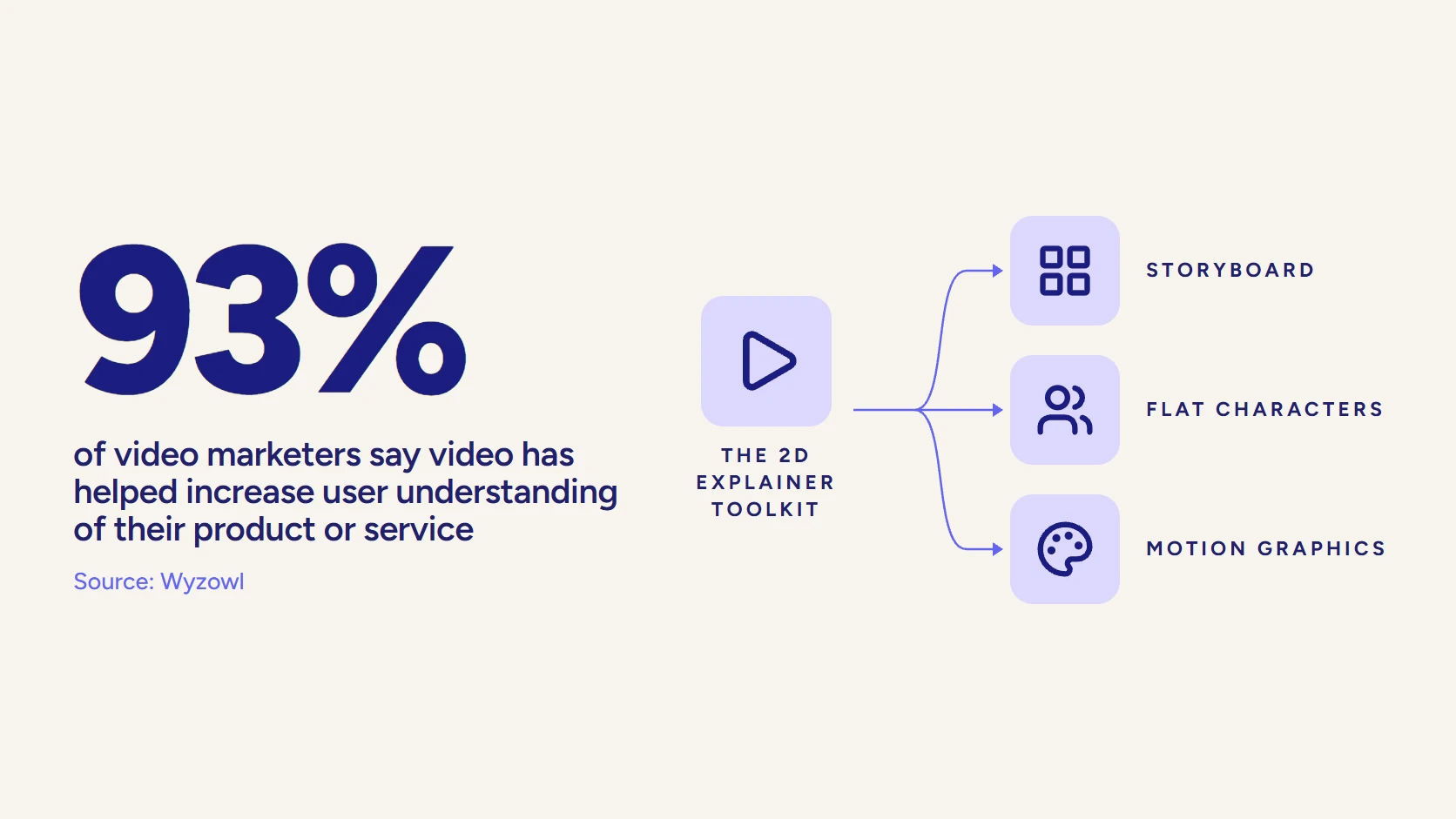
The category evidence is strong. In Wyzowl’s 2026 State of Video Marketing research, 91% of businesses use video as a marketing tool, 85% say it has helped them generate leads, and 82% of video marketers say video has given them a good return on investment, down from 93% the year before. That dip is the useful part. Return is not automatic; it depends on whether the video has a job and a distribution plan.
Where is the money going across the market? The IAB projects U.S. digital video ad spend will pass $80 billion in 2026, growing 11% year over year and taking more than 60% of total TV and video ad spend for the first time. Your competitors are buying video placements, which means the creative in those placements has to carry its weight.
Attach Each Asset to One Metric
- Hero film on the website. Landing-page conversion rate, before and after.
- Testimonial cutdowns in sales sequences. Reply rate and stage progression on active deals.
- Paid social versions. Cost per lead against the static creative they replaced.
- Training modules. Time to productivity or support tickets deflected.
Decide those pairings before the shoot, not after the invoice. Our guide to measuring B2B brand video ROI and the 4 ways to calculate video marketing ROI turn that into a tracked number, and our map of the video marketing funnel shows which asset belongs at which stage.
Where Corporate Video Quietly Underperforms
Honesty about the downside is what makes the upside credible. Corporate video underperforms when it is made without a job, published without a distribution plan, or polished for a channel that rewards raw and immediate. A beautiful film that nobody is driven to watch returns nothing, whatever it cost to make. The failure is almost never the camera work; it is a missing plan for who sees the video and what they do next.
The most expensive corporate video is the one nobody sees.
What Does Corporate Video Cost With LocalEyes Video Production?
LocalEyes Video Production prices by scope, not a rate card. Most projects land between $15,000 and $30,000, and scoped projects start around $10,000. What moves a project up or down is the number of shoot days, cities, and finished deliverables, and how much animation is involved.
A full program covers strategy, scripting, crew, the shoot, edit, color, sound, motion graphics, captions, and every channel version. The quote starts from your deliverable list, so the number is built up from what you need to walk away with rather than from hours on a calendar. That is also why the per-asset math above works in your favor: the more of the list one production can serve, the less each finished piece costs.
The experience behind that price is what keeps a multi-asset shoot on plan. Since 2018, LocalEyes Video Production has produced 4,000 videos for 300+ clients, with Emmy recognition and 500+ five-star reviews. You can see finished asset sets in our production portfolio and the full service scope on our corporate video production services page.
Book a call and we will scope your project and send a clear quote and a delivery date.
Video that has to work?
Plan your next video project with LocalEyes Video Production and start from the goal, not the brief.
Frequently Asked Questions
How Much Does a Corporate Video Cost in 2026?
What Factors Determine Corporate Video Cost?
How Much Does a Corporate Brand Film Cost?
Why Is Cost per Minute a Poor Way to Compare Quotes?
Is It Cheaper to Make Several Corporate Videos in One Shoot?
How Much Does a Corporate Training Video Cost?
How Do You Prove ROI on Corporate Video?
What Does LocalEyes Video Production Charge for a Corporate Video?

Founder at LocalEyes Video Production | Inc. 5000 CEO | Emmy Award Winning Producer