Key Takeaways
|
Event video pricing depends on more than event-day coverage. Your budget shifts based on event type, duration, crew, audio needs, editing, turnaround, and final deliverables.
Budget pressure is changing how teams make those decisions. Gartner’s 2025 CMO Spend Survey found that marketing budgets remained flat at 7.7% of company revenue, while 59% of chief marketing officers (CMOs) said they have insufficient budget to execute their strategy.
For business-to-business (B2B) teams, this makes scope clarity more important. A one-camera internal meeting has a different budget profile than a multi-day conference with interviews, speaker clips, social edits, and sales follow-up assets.
The strongest budget conversation starts with what the footage needs to become after the event.
This guide explains what event video quotes include, why prices vary, and how B2B teams should evaluate cost against business value.
Event Video Pricing Reflects Planning, Capture, Editing, and Deliverables
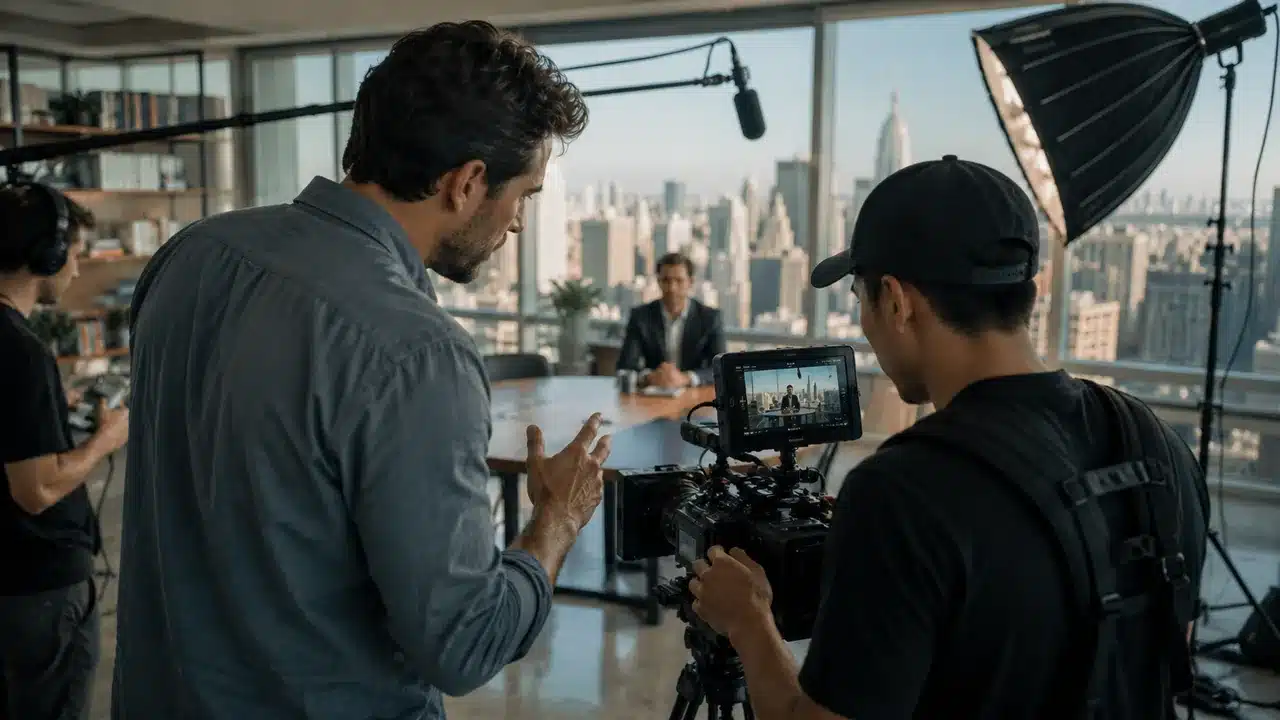
Event video pricing includes more than a camera operator on-site. A quote should account for the work before, during, and after the event. That includes planning, capture, editing, review, and delivery.
Here’s what usually shapes the final scope:
- Pre-Production: Planning, run of show review, shot list, crew planning, logistics, and stakeholder alignment.
- Production: Crew, cameras, audio, lighting, equipment, event duration, and live capture needs.
- Post-Production: Editing, sound, color, motion graphics, captions, revisions, and final exports.
- Deliverables: Recap videos, session edits, social clips, interviews, internal cuts, and stakeholder versions.
A quote that only covers event-day filming may look cleaner, but it can leave your team with footage that needs more work later. That creates confusion around editing, file handoff, versions, and approvals.
When comparing event video cost, ask what happens after the event.
Will you receive raw footage only? A polished event recap video? Session recordings? Social clips? Speaker cutdowns? Internal versions?
Those answers affect price and whether the footage becomes useful after the room clears.
For standard video production costs, the same principle applies. Pricing reflects process and outputs, not filming alone.
Compare Event Video Pricing by Event Type and Scope
Event type is one of the easiest ways to understand the likely budget range.
The ranges below are planning bands, not fixed rates. Your quote can shift based on location, crew, editing, turnaround, permissions, and final deliverables.
| Event Type | Typical Scope | Common Deliverables | Budget Range |
| Small Internal Event | Single camera, short coverage, limited editing | Basic recap or internal archive | Lower |
| Single-Day Corporate Event | One to two cameras, interviews, key moments | Event recap video, social clips | Lower to mid |
| Conference Or Summit | Multi-camera coverage, speakers, interviews, and audience reactions | Recap, session cuts, speaker clips | Mid to high |
| Multi-Day Event | Multi-day coverage, larger crew, more post-production | Recaps, session edits, social clips, internal cuts | Higher |
| Hybrid Or Livestream Event | Capture plus live switching, audio, streaming, graphics | Live feed, recording, clips, on-demand edits | Variable |
| Premium Same-Day Edit | Fast capture and rapid post-production | Same-day highlight reel or next-day recap | Premium add-on |
A small internal event may only need simple coverage and a basic edit.
A conference video production cost usually rises because more rooms, speakers, interviews, and deliverables are involved.
A live event video production cost can rise again when streaming, switching, graphics, and redundancy are included in the scope.
Same-day edits also change the workflow. A same-day highlight reel requires faster file transfer, on-site editing, quick approvals, and a tighter post-production plan. That speed has a cost.
If you’re comparing broader corporate video production cost expectations, remember that event footage has its own variables. Duration, live conditions, and venue logistics matter.
The Main Cost Drivers Are Crew, Audio, Editing, Logistics, and Turnaround
Event videography pricing changes when the event becomes harder to capture or edit.
Some cost drivers are obvious. Others show up after the proposal, when teams realize the quote didn’t include enough coverage, audio support, or editing time.
Watch these factors closely:
- Crew and Cameras: More rooms, angles, and simultaneous sessions require more people and gear.
- Audio Coverage: Clean speaker, panel, and audience audio often requires extra planning and equipment.
- Editing Scope: Recaps, interviews, session edits, captions, and social clips change post-production effort.
- Turnaround Time: Same-day or next-day edits require a different workflow and more compressed approvals.
- Venue and Travel: Load-in rules, travel, parking, unions, and venue restrictions can affect cost.
- Approvals and Revisions: More stakeholders can increase review and editing time.
A videographer’s day rate can be useful for simple coverage. It gets less useful when the project needs planning, multi-camera coverage, polished editing, and multiple deliverables.
At that point, you’re not only buying time on site. You’re buying a production plan.
The best proposal should make the assumptions clear. It should explain crew, hours, audio, deliverables, revision rounds, and turnaround expectations. That makes it easier to compare quotes without guessing what’s missing.
Compare Pricing Models Before You Compare Quotes
Event video quotes can be priced using different models. Before comparing numbers, compare the structure. A lower number may indicate less planning, editing, revisions, or final assets.
Most buyers see three common models:
- Hourly Pricing: Works for very small or limited capture needs, but can be hard to forecast.
- Day Rate Pricing: Common for event coverage, especially when the output is simple.
- Project-Based Pricing: Usually clearer when the scope includes planning, coverage, editing, versions, and delivery.
Hourly and day-rate pricing can work when the need is narrow. For example, you may need a single videographer to capture a short internal meeting. If the footage needs little editing, a simpler model may be enough.
Project-based pricing is usually stronger for B2B events. It lets the quote account for pre-production, production, post-production, revisions, and deliverables. It also makes the scope easier to understand before the event begins.
If you’re comparing fixed pricing video production, look beyond the headline number. Confirm what’s included and what would cost extra.
A clear pricing model should reduce surprises, not hide them.
Use This Budget Strategy Before You Choose a Quote
The cheapest quote isn’t always the most efficient one. If a proposal misses audio, backups, edits, captions, or review time, your team may pay later. Sometimes that cost shows up in extra invoices. Sometimes it shows up as footage nobody can use.
Use this strategy before choosing a quote:
- Clarify the Business Use: Determine whether the footage is for an internal archive, post-event marketing, sales support, sponsor reporting, or campaign content.
- Define the Must-Have Outputs: Consider if you need a recap, session edits, interviews, social clips, or livestream recording?
- Separate Capture From Editing: Know what’s included on event day and what happens after.
- Check the Review Process: Confirm revision rounds, approval timelines, and who owns feedback.
- Plan for Reuse: Decide whether the footage should support weeks or months of content.
- Compare Missing Scope: Look for audio, backups, captions, formats, and delivery assumptions.
This gives your team a better way to evaluate value.
A strong quote should make the plan visible. It should show what the crew captures, what the editors create, and what your team receives.
When comparing event video production companies, ask how each partner scopes footage for later use. If the event content needs to support marketing or sales, the production plan should account for that from the start.
Scope Event Video Pricing Around Business Value With LocalEyes
Event video pricing should reflect what your team needs the footage to do. We help B2B teams scope event video around audience, deliverables, timeline, and post-event use. That means clearer planning, more useful assets, and less internal coordination.
Your event may need a recap, speaker clips, session edits, social cutdowns, interview clips, or sales follow-up assets.
The right scope depends on the event goal. Our event video production services help teams plan, capture, and deliver before the event starts.

Founder at LocalEyes Video Production | Inc. 5000 CEO | Emmy Award Winning Producer