
Key Takeaways:
|
A strong brand video should do more than explain who you are. For marketing teams under pressure to generate pipeline, it should help buyers trust your company faster, understand your point of view clearly, and move through the funnel with more conviction.
This guide explores why many brand videos still fail to influence buying decisions, and how stronger positioning, messaging, and channel fit turn business-to-business (B2B) brand storytelling into a pipeline-supporting asset.
What Is a Brand Video?
A brand video is a strategic piece of video content designed to communicate who your company is, why it exists, and why buyers should believe you can solve their problem.
Unlike product-focused assets, branded video content focuses on perception, credibility, and emotional alignment. It helps buyers understand the thinking behind your company before they commit to a demo, evaluation, or sales conversation.
Modern brand storytelling videos are less about cinematic polish and more about building conviction. Buyers want evidence that your company understands their operational reality, industry pressure, and business goals.
An effective brand video includes:
- A Clear Market Perspective: Your company’s point of view on the problem buyers are facing.
- Customer-Centered Messaging: Real business challenges instead of vague mission statements.
- Specific Proof Signals: Outcomes, processes, customer experiences, or founder expertise.
- Multi-Channel Usability: Formats that support paid campaigns, landing pages, LinkedIn, email outreach, and sales conversations.
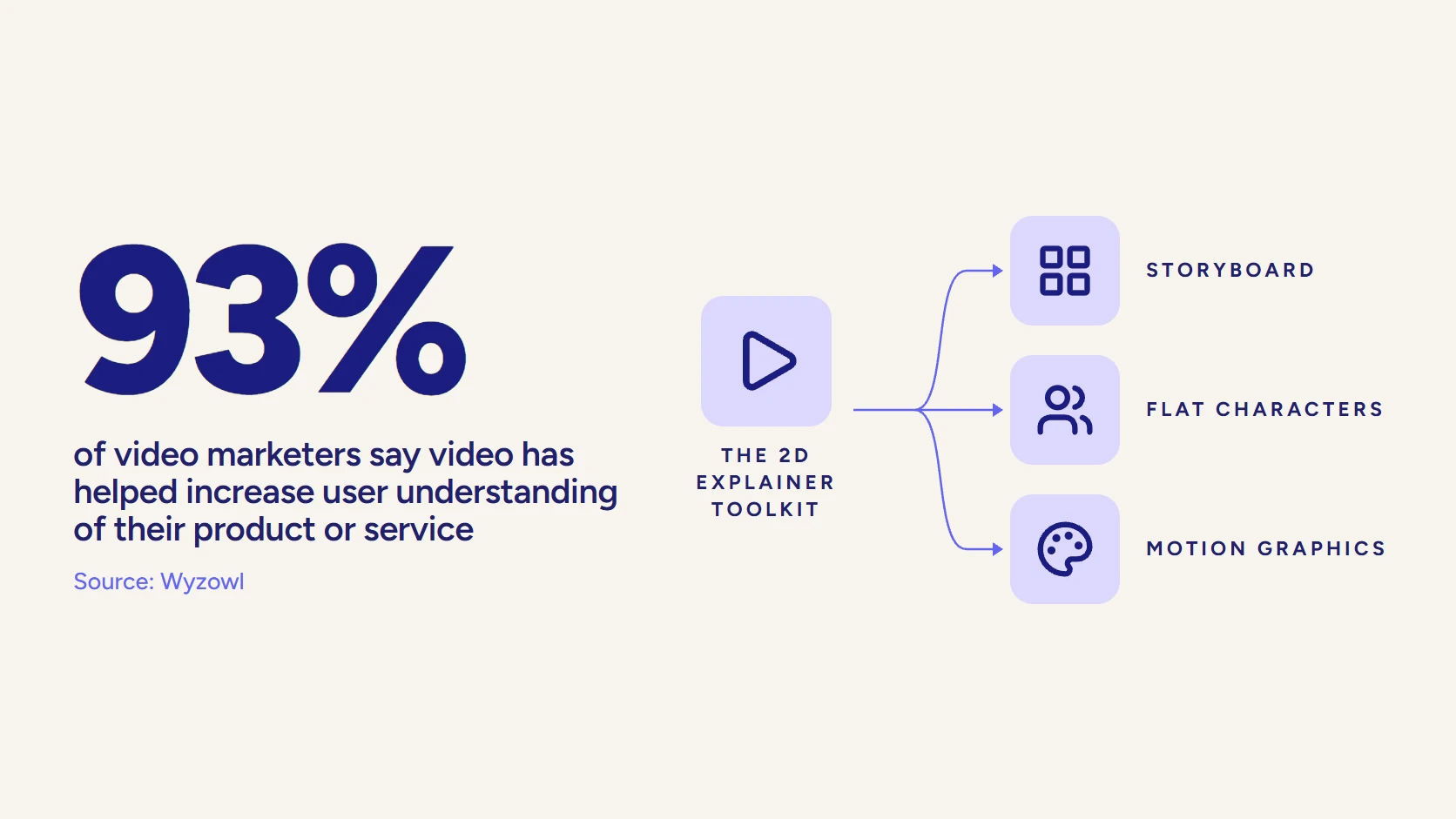
According to Wyzowl’s 2026 video marketing report, 93% of marketers say video gives them a positive return on investment (ROI). The teams seeing the strongest results are usually treating video as part of a broader demand generation system rather than a standalone creative project.
How Brand Videos Differ From Product Pitches
A product pitch explains functionality. A brand video explains belief. That distinction matters early in the buyer journey, especially in B2B environments where multiple stakeholders evaluate vendors long before procurement enters the conversation.
The right format depends on the job the asset needs to do, which is why teams should understand the broader range of marketing video content types before treating every video as interchangeable.
| Content Type | Primary Goal | What Buyers Learn | Best Funnel Fit |
| Brand Video | Build trust and conviction | Why your company thinks differently | Awareness and consideration |
| Product Demo | Explain functionality | How the product works | Consideration and decision |
| Testimonial Video | Provide proof | What outcomes customers achieved | Consideration and decision |
| Promotional Brand Storytelling | Drive campaign engagement | Why the message matters now | Multi-stage campaign support |
Your buyer may understand your platform features perfectly and still hesitate because they are unsure your team understands their business. That gap is often what strong B2B brand storytelling closes.
Why Brand Videos Matter More for B2B Teams Today
Most buying journeys now involve extensive research before a prospect ever speaks with sales. That creates a trust problem.
Your prospects are evaluating messaging consistency, expertise, customer proof, and market perspective long before they request a demo. A strong brand video helps shape those perceptions early.
Buyers Need Conviction Before They Need Features
B2B purchases carry operational and career risk. Marketing leaders are not choosing vendors based on aesthetics alone. They’re asking:
- Does this company understand our market?
- Can they execute consistently?
- Will this work inside our existing demand generation channels?
- Can I defend this investment internally?
A thoughtful brand storytelling video can answer those questions faster than static copy alone because it combines tone, perspective, delivery, and specificity in a way text often cannot.
Modern Video Supports the Entire Funnel
The old model treated brand videos like homepage assets. Teams would invest heavily in a single visually strong piece, publish it once, and move on.
That approach breaks quickly in modern demand generation. Today, a single brand video engagement often produces:
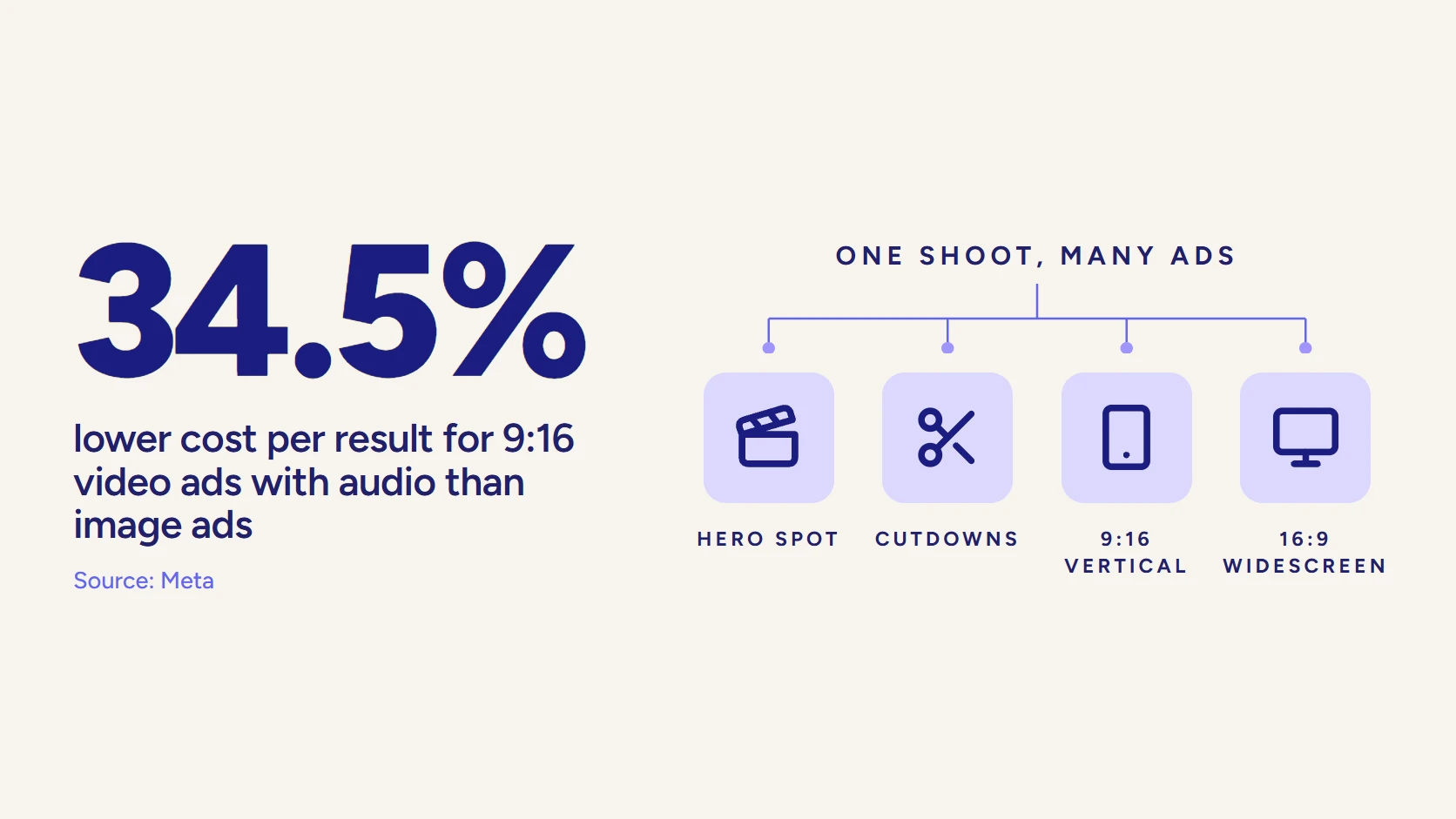
- 60- to 90-second hero videos
- 15-second and 30-second paid variants
- LinkedIn-native edits
- Sales development representative (SDR) outreach clips
- Landing page placements
- Customer nurture assets
- Sales enablement content
Reusable campaign assets improve efficiency across multiple channels instead of relying on one expensive deliverable.
Common Misconceptions About Brand Videos
Many B2B teams still evaluate brand video using outdated assumptions. Those assumptions usually lead to vague messaging, weak performance, or assets nobody uses after launch.
A Brand Video Is Not a Product Demo
A product demo explains workflows, interfaces, or functionality. Meanwhile, a brand video creates context around why your company exists and why buyers should trust your approach.
Both matter. They simply solve different communication problems. A demo helps buyers evaluate capability, whereas a brand video helps buyers evaluate credibility.
When teams blur the two together, the result often feels unfocused. Buyers leave without a strong understanding of either the product or the company behind it.
A Brand Video Is Not a Generic Corporate Reel
Broad corporate messaging tends to sound interchangeable because it avoids specificity. Phrases like “innovative solutions” or “customer-first approach” rarely build trust because every competitor says the same thing. Buyers remember specificity instead.
Strong brand storytelling videos include real operational context:
- Clear market opinions
- Recognizable buyer pain points
- Specific workflows or business outcomes
- Actual customer environments
- Honest industry tension
Specificity creates credibility, while generic positioning promotes skepticism.
A Brand Video Is Not a One-Time Vanity Asset
Your chief finance officer (CFO) isn’t evaluating whether your homepage looks cinematic. They’re evaluating whether marketing investments support pipeline growth.
That changes how B2B teams think about branded video content. Modern teams expect videos to contribute across multiple functions:
- Paid media performance
- Conversion support
- SDR outreach
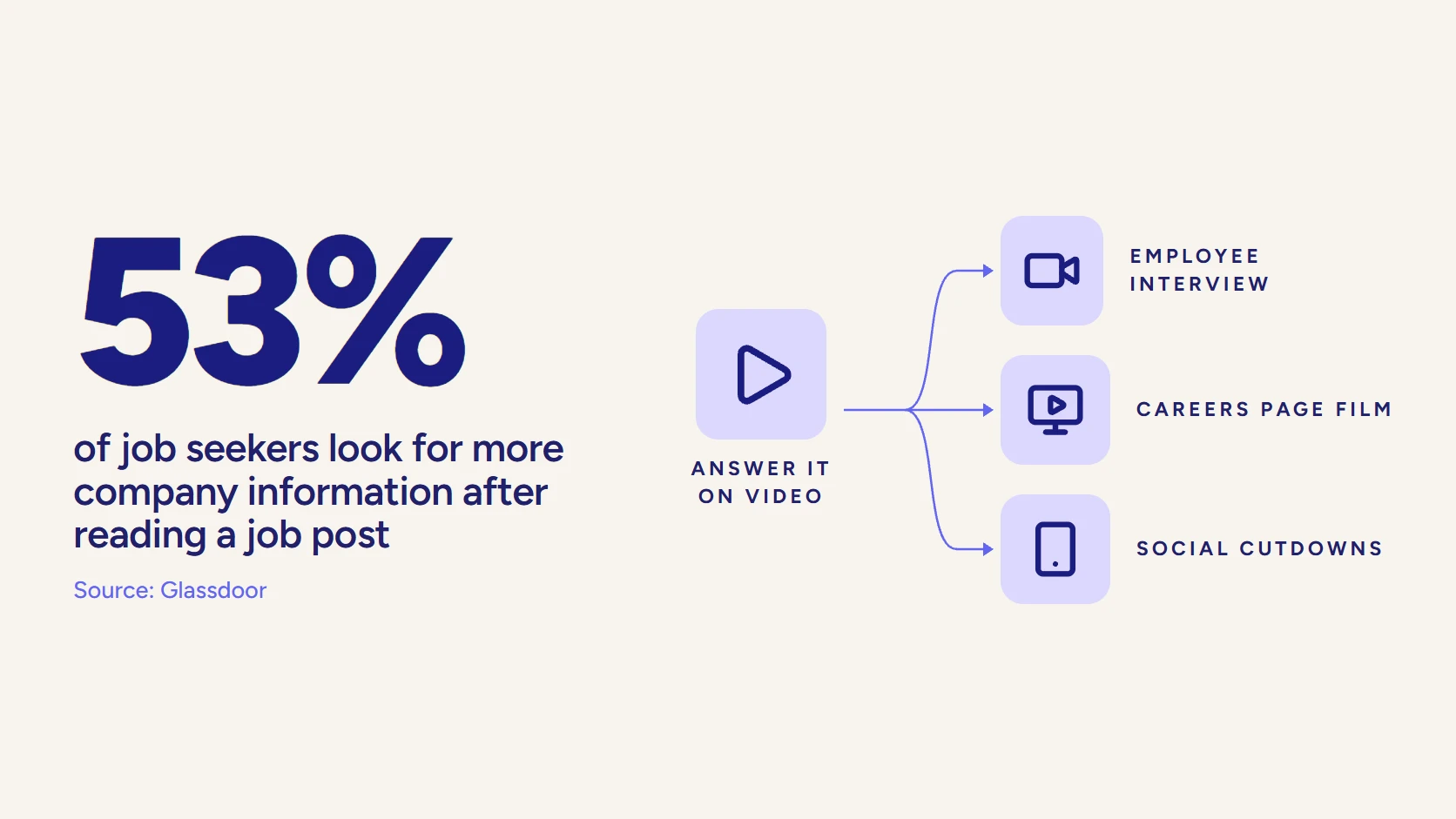
- Recruiting and employer brand
- Sales enablement
- Event promotion
- Customer expansion campaigns
A useful brand video should continue creating value long after launch instead of disappearing into a website footer.
What Makes a Brand Video Effective?
A brand story video built around a clear objective can support buyer confidence, campaign consistency, and sales conversations at the same time.
The strongest brand videos are rarely the most visually complex. They’re the clearest, most intentional, and most relevant to buyer concerns.
Clear Objectives Create Better Messaging
Many weak brand videos fail before production begins because nobody defined the actual business objective.
Different goals require different creative decisions. A founder story video designed to support enterprise trust-building should feel different from a culture-focused recruiting asset or a campaign-driven awareness video.
Before scripting begins, your team should define the:
- Audience segment
- Buyer-stage objective
- Distribution channels
- Conversion goal
- Supporting campaign assets
Without those decisions, even effective production can feel disconnected from revenue outcomes.
Emotional Relevance Improves Memorability
B2B buyers still make emotional decisions. The difference is that those emotions usually revolve around risk, confidence, pressure, and professional credibility rather than entertainment.
Emotional relevance in B2B brand storytelling often comes from:
- Recognizing operational frustration
- Demonstrating expertise clearly
- Showing customer empathy
- Explaining industry challenges honestly
- Communicating confidence without exaggeration
The strongest emotional response in B2B is often relief. Buyers want to feel understood.
Specific Storytelling Builds Trust Faster
Most promotional brand storytelling fails because it sounds transferable to any company in the category. Effective storytelling includes concrete details buyers recognize immediately.
Instead of broad claims, strong brand videos show:
- Actual customer use cases
- Specific operational problems
- Real founder insight
- Clear market perspective
- Authentic employee expertise
Documentary-style approaches often work particularly well here because they prioritize observation and specificity over scripted perfection.
Types of Brand Videos and Where They Fit
Different forms of brand storytelling support different business goals. The format matters less than whether the story matches the buyer’s stage, concerns, and level of trust.
- Founder and Origin Stories: A founder story video works best when your company’s perspective is part of the differentiator. It can explain why the company exists, what market frustration triggered it, and how your operating philosophy shapes the way you solve customer problems.
- Documentary-Style Brand Storytelling: A documentary-style brand video focuses on realism, specificity, and observation rather than scripted corporate messaging. It can show customer environments, real workflows, team collaboration, and honest industry context in a way that builds credibility faster than scripted claims.
- Culture and Team-Led Brand Videos: A company culture video can support recruiting, retention, and trust when it connects team behavior to customer value. The strongest versions show collaboration, operational expertise, and cross-functional alignment instead of generic office footage or internal perks.
Where Should a Brand Video Live in the Funnel?
One of the biggest mistakes B2B teams make is treating brand video like top-of-funnel content only.
Strong branded video content supports multiple funnel stages depending on how assets are structured and distributed. This is where a clear video marketing funnel strategy helps teams decide which assets belong in awareness, consideration, and decision-stage campaigns.
Awareness Stage
At the top of the funnel, brand storytelling helps buyers recognize your perspective quickly. At the awareness stage, clarity and differentiation matter more than exhaustive detail.
Useful video placements include:
- LinkedIn campaigns
- Homepage hero sections
- Industry event promotion
- YouTube campaigns
- Thought leadership distribution
Consideration Stage
The consideration stage is where multi-asset production becomes valuable. Buyers rarely move through a funnel using one format alone. During consideration, buyers want stronger proof and operational confidence.
Brand video assets often support:
- Landing pages
- Case study pages
- SDR outreach
- Retargeting campaigns
- Webinar promotion
- Sales presentations
Decision Stage
Late-stage buyers still evaluate trust signals. Teams that integrate video into sales enablement often extend the value of a single production investment significantly further. Short-form brand storytelling clips can reinforce confidence during:
- Proposal reviews
- Stakeholder alignment
- Procurement discussions
- Executive presentations
Why Modern B2B Teams Need Brand Video Systems
Most companies don’t have a video problem. They have a distribution and consistency problem.
A single disconnected video rarely supports pipeline on its own. A coordinated system of reusable assets has a much stronger chance. That shift changes how successful B2B teams approach production:
- Messaging is aligned to funnel stages.
- Variants are planned before filming begins.
- Distribution informs creative decisions.
- Sales placements are considered early.
- Campaign reuse is built into production strategy.
LocalEyes approaches this through performance-focused multi-asset campaign systems designed for demand generation channels rather than isolated deliverables.
LocalEyes Helps Teams Create Brand Videos That Work Harder
Most B2B marketing leaders aren’t struggling to find someone who can shoot a video. They’re struggling to find a partner who understands how video fits inside revenue goals, campaign infrastructure, and sales motion.
LocalEyes builds performance-driven B2B campaign videos engineered to support pipeline generation across existing demand generation channels. That includes hero videos, paid variants, sales enablement placements, and channel-specific edits designed to work across the funnel.
The difference is strategic alignment. A brand video shouldn’t exist separately from your paid campaigns, sales assets, landing pages, or buyer journey. It should reinforce all of them.
If your team is evaluating how branded video content can support demand generation, sales enablement, and pipeline growth, explore LocalEyes’ brand video production services.

Founder at LocalEyes Video Production | Inc. 5000 CEO | Emmy Award Winning Producer