Key Takeaways:
|
Brand video strategy has changed fast over the last few years. Business-to-business (B2B) buyers now encounter your company across paid social, landing pages, outbound emails, and sales conversations long before they book a demo.
Marketing leaders are no longer simply considering whether they should invest in a brand video. They are asking how that investment will support pipeline, sales conversations, and campaign performance across the channels they already run.
This guide explores how modern B2B teams use brand video to clarify positioning, support demand generation, and build multi-asset campaigns that deliver measurable business value.
What Is a Brand Video Now?
Modern brand video is more than a visual company overview on a homepage. For B2B teams, it has become a campaign system designed to support positioning, pipeline growth, and sales enablement across multiple channels.
The best teams treat branded video content as part of their demand generation infrastructure. That means the video is planned for paid social, retargeting, landing pages, sales outreach, launch campaigns, and sales follow-up before production begins.
Today’s strongest brand story video campaigns typically include:
- A 60- to 90-Second Hero Video: Used across websites, paid campaigns, and launch announcements.
- Short Paid Media Variants: Optimized for LinkedIn, YouTube, retargeting, and email campaigns.
- Sales Enablement Assets: Video placements for sales development representative (SDR) outreach, landing pages, and customer conversations.
- Channel-Specific Edits: Messaging adapted for different funnel stages and audience contexts.
Many B2B teams are also blending traditional brand storytelling videos with educational and documentary-style brand content. That format can make the company feel more credible and human without relying on overproduced messaging or vague brand claims.
Why the Old Brand Video Strategy Is Breaking Down
Older brand video strategies were built around launches. A company would invest heavily in one production, publish it on the homepage, share it across social channels, then move on. That approach assumes visibility creates business value, but visibility without follow-up rarely affects pipeline.
The older model also struggles because buyer behavior has changed. B2B buyers encounter your company across online channels long before they engage. They may see paid social ads, customer stories, or product explainers before they visit your website.
A single launch video cannot support all of those touchpoints. Each channel has a different role, so the video content needs to align with the buyer’s context, attention span, and decision-making stage.
There is also a growing disconnect between creative priorities and business priorities. A production vendor may focus on how the video looks, while your leadership team is asking whether the campaign influenced qualified leads or conversion rates.
The strongest B2B teams now expect brand video production to support measurable campaign goals from the start.
What Strong B2B Teams Are Doing Differently With Brand Video
Modern B2B teams are changing how they plan, structure, and use brand storytelling video campaigns. Before production starts, they define:
- Where the video will appear
- What buyer question it needs to answer
- Which shorter clips the team will need for paid, sales, email, and website use
The biggest shift is operational. Teams now treat video as a set of reusable campaign assets that can support multiple marketing and sales needs, instead of a one-off deliverable.
| Traditional Brand Video Approach | Modern B2B Brand Video Strategy |
| Built around a single launch moment | Built for ongoing channel distribution |
| Prioritizes cinematic polish | Prioritizes positioning clarity and conversion fit |
| One hero asset | Multi-asset campaign system |
| Homepage-focused deployment | Paid, sales, email, LinkedIn, and retargeting use cases |
| Creative-first planning | Strategy-first messaging and buyer-stage alignment |
They Build for Channels, Not Just Premieres
Stronger B2B teams plan distribution before production begins. They decide where the video should appear, what the viewer should understand at that moment, and how the core message should vary by channel.
A LinkedIn paid campaign needs faster pacing than a homepage video. A sales clip for outreach needs more proof than a founder story. Those choices affect scripting, shot planning, interview questions, aspect ratios, and final cut lengths.
Teams now plan for:
- Short Paid Cuts: Built for LinkedIn, YouTube, and retargeting campaigns.
- Proof-Focused Edits: Used to build credibility with buyers who already know the category.
- Sales-Facing Clips: Created for outreach, follow-up emails, and buyer conversations.
- Platform-Specific Formats: Adapted for how people watch video on each channel.
They Anchor the Story in a Clear Business Message
Strong brand video starts with a clear business message. Buyers should quickly understand who the company helps, what problem it solves, and why its approach is different.
This matters in crowded software-as-a-service (SaaS), finance, healthcare, and professional services categories where many companies sound similar. A fintech company, for example, may produce a polished video about innovation, but the message falls flat if buyers never understand how the platform reduces compliance risk or improves reporting efficiency.
The strongest branded narrative video campaigns answer:
- Who is this for?
- What problem does it help solve?
- Why is this approach different?
- Why should buyers trust the company now?
They Expect One Production to Do Many Jobs
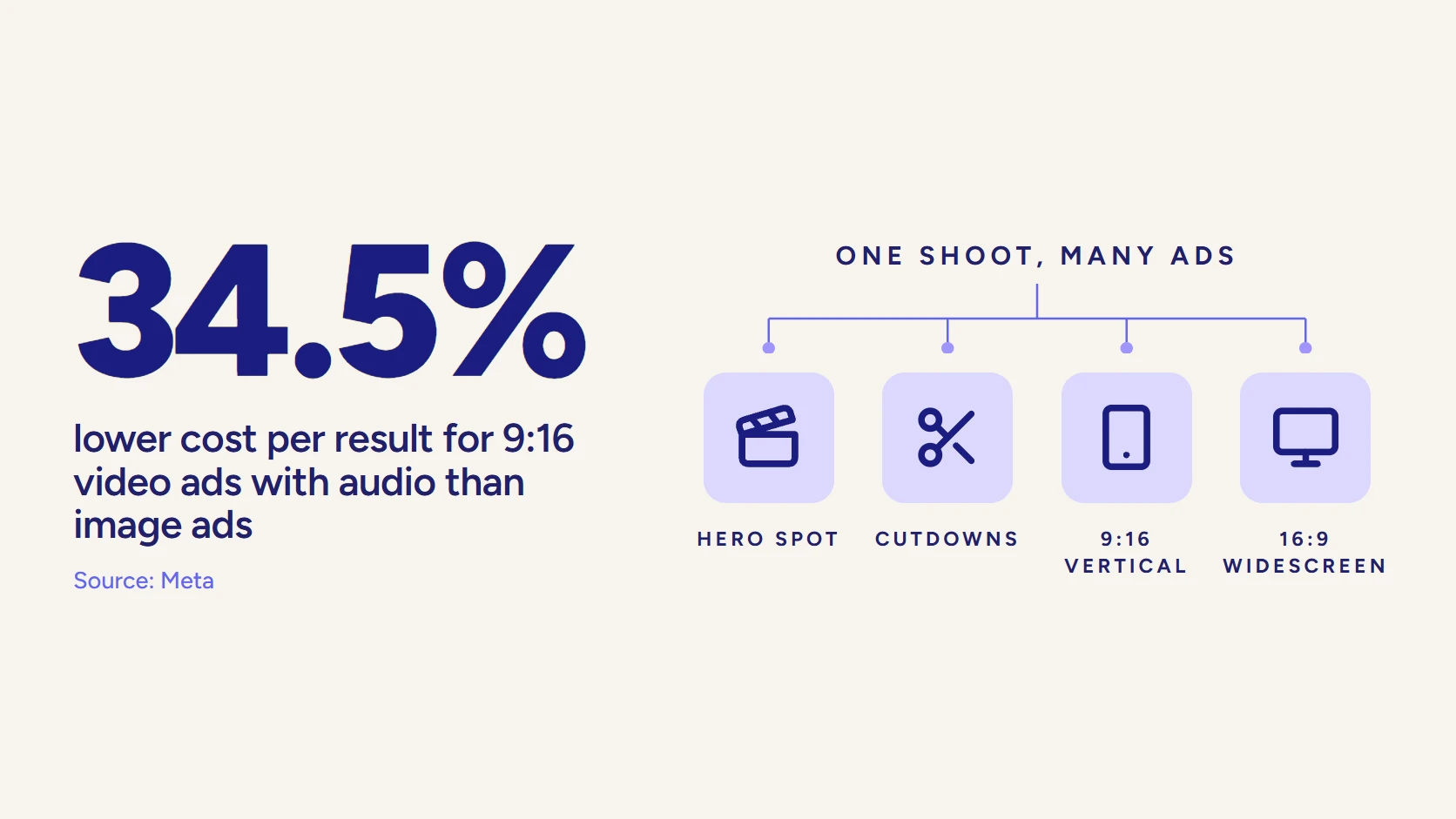
Small marketing teams need more than one polished hero asset from a production investment. Stronger teams plan each shoot around the full set of assets needed for campaigns, sales, and ongoing brand use.
One production can often create:
- A hero brand story video for the website and launch campaigns.
- Paid social variants for LinkedIn, YouTube, and retargeting.
- Customer or team clips for credibility-building content.
- Sales enablement clips for outreach and follow-up.
- Short positioning edits for landing pages and nurture emails.
This approach makes content reuse more intentional. The shoot is planned once, but the output supports multiple business needs across the funnel.
Where Brand Video Creates the Most Business Value
Brand video delivers the strongest results when it supports clear business goals, such as improving lead quality, increasing demo requests, strengthening sales follow-up, or helping buyers understand your value faster.
The real value comes from making the company easier to understand and easier to trust before a buyer reaches out.
- Clarifying Positioning: A strong brand video helps buyers quickly understand what your company does, who it helps, and why it is different. This is especially useful in crowded SaaS, financial services, healthcare technology, and professional service categories where many companies sound similar.
- Building Trust Before the Sales Conversation: Brand video creates familiarity before buyers speak to sales. Tone, pacing, messaging, and visual credibility can reduce skepticism and make your company feel more credible earlier in the buying process.
- Extending Campaign and Sales Usefulness: Strong brand video campaigns create assets your team can use beyond launch week, including paid social variants, sales-ready clips, LinkedIn edits, homepage cuts, and sales enablement placements.
These promotional video examples and viral brand video examples show how B2B video strategy is moving toward campaigns that work across several channels rather than isolated hero assets.
What Makes a Brand Video Effective in 2026?
The most effective brand videos in 2026 combine clear objectives, memorable storytelling, strong visual systems, and deployment strategy. Creative quality is important, but strong visuals alone do not create business outcomes.
According to HubSpot’s 2025 State of Marketing report, short-form video continues to deliver one of the highest returns on investment (ROIs) across digital marketing channels. This is because it aligns with how buyers consume information in social and paid environments.
The strongest B2B teams build around that reality to create videos designed for operational usefulness as much as emotional resonance. To make that happen, your brand video needs three things working together:
- Clear Objective: An effective brand video starts with a specific business goal. Your team should know what the video is meant to improve, whether that is positioning clarity, paid campaign performance, sales outreach response, buyer trust, or category awareness. Without that focus, even strong creative work becomes hard to measure.
- Strong Narrative and Visual Identity: A clear story helps buyers remember your company, while consistent visuals help them recognize it later. The best brand story video campaigns align messaging, pacing, colors, graphics, brand tone, and audience targeting across every cut.
- Distribution Fit: Channel context should shape production from the beginning. A homepage hero video, LinkedIn paid clip, and retargeting asset each need different pacing, length, and message emphasis. This helps your branded video content perform where buyers actually encounter it.
How LocalEyes Helps Teams Rethink Brand Video
Most B2B marketing teams need more than a vendor who can produce a nice video. They need a production partner who understands how that video will support demand generation, sales enablement, and pipeline conversations after launch.
LocalEyes starts with campaign objectives, buyer-stage messaging, and a clear plan for where each video asset will be used before production begins. A typical engagement can include:
- A 60-90 second hero video for the website, launch campaigns, and core brand messaging.
- Paid social variants for LinkedIn, YouTube, and other campaign channels.
- Retargeting cuts that reinforce credibility after a buyer has already engaged.
- Sales outreach clips that help your team follow up with clearer, more useful context.
- Customer story edits that add proof without requiring a separate production.
- Video cuts formatted for each channel so your team can use the content across campaigns without extra editing work.
If you are comparing the best brand video production companies, look beyond portfolio quality. The stronger question is whether the partner can help you turn one production investment into campaign-ready assets your marketing and sales teams can actually use.
See how the LocalEyes approach to video production services supports strategy-first brand video production built for modern B2B demand generation.

Founder at LocalEyes Video Production | Inc. 5000 CEO | Emmy Award Winning Producer