
Key Takeaways
|
Educational video marketing often falls short when teams publish first and plan distribution later. It uses video to teach buyers, customers, or stakeholders something useful.
For business-to-business (B2B) teams, that can mean explaining a product category, clarifying a workflow, supporting product evaluation, or helping sales carry a consistent message.
The demand is already there. Content Marketing Institute’s 2025 B2B research found that videos were rated the most effective content type by 58% of B2B marketers. At the same time, 61% expected to increase investment in video in 2025.
This article explains how strategy, channels, production quality, format choice, and measurement shape stronger educational video programs.
What Is Educational Video Marketing in a B2B Context?
Educational video marketing is video content built to help your audience understand something they need to know.
That might be a:
- Product category
- Workflow
- Compliance issue
- Market shift
- Buying decision
The point is to make a complex idea easier to act on.
For B2B video marketing, educational videos can support awareness, evaluation, onboarding, and trust-building. They give buyers useful context before they talk to sales, request a demo, or compare vendors.
This is different from a direct campaign push.
A promotional asset usually drives attention toward a specific offer or launch. Educational video production focuses on building understanding first, so the next step feels logical.
For complex products, video production for education can help teams turn subject matter expertise into assets buyers can actually use.
Why B2B Video Marketing Distribution Begins with the Channel
Educational video distribution should shape the brief before production starts.
A LinkedIn clip, a YouTube video, a landing page asset, and a sales follow-up clip each need different pacing. They also need different hooks, captions, lengths, and calls to action.
The channel changes the job:
- LinkedIn: Short, POV-led clips can support executive visibility and category education.
- YouTube: Searchable videos can support deeper learning and longer discovery paths.
- Websites and Landing Pages: Embedded video can help buyers evaluate your offer.
- Email and Sales Sequences: Short clips can reinforce a point after buyer engagement.
A stronger video distribution strategy starts with those use cases.
If your team waits until after editing, the video may only fit one placement well. That creates extra work and weaker versions later.
A broader video marketing strategy guide can help teams connect channels, formats, and campaign goals before production begins.
How Production Quality Affects Educational Video Distribution and Views
Production quality affects how far educational videos can travel. This is not about making the video look expensive. It’s about making the information easier to understand, reuse, share, and trust.
Clear audio helps viewers follow complex ideas, whereas clean visuals make the point easier to remember. Meanwhile, strong structure gives editors more usable moments for shorter clips.
That planning matters across the video marketing funnel.
- A full educational video may live on YouTube.
- A 30-second cut may work on LinkedIn.
- A short proof point may support sales follow-up.
- A product-focused clip may strengthen a landing page.
Wistia’s 2025 State of Video Report found that only 28% of surveyed professionals spend more time promoting videos than creating them. By contrast, 53% spend more time creating new content than repurposing existing videos. That’s a planning problem.
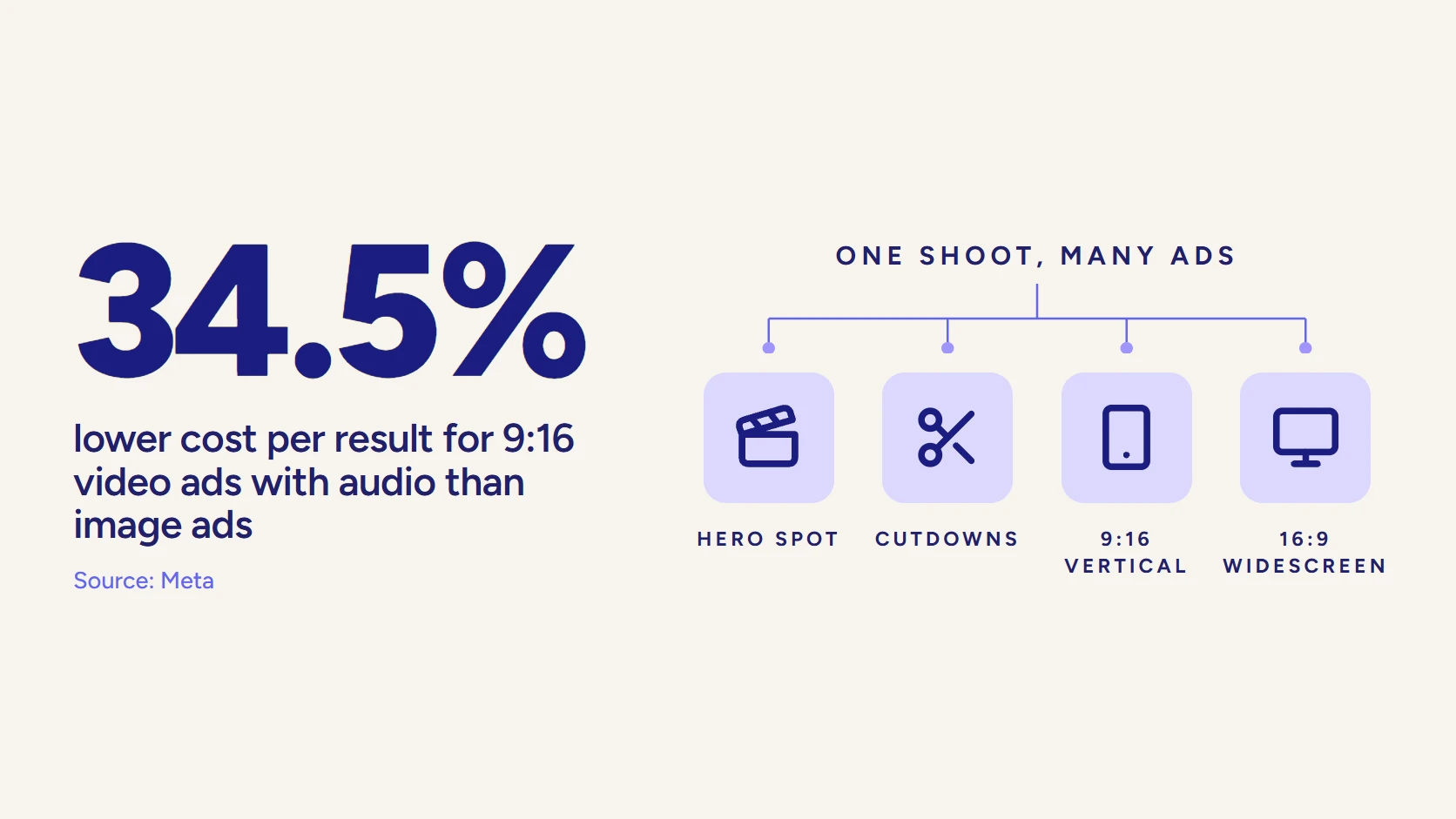
Strong production yields more useful assets from a single shoot. The educational video marketing funnel works better when the content is planned for multiple channels.
Which Educational Video Formats Travel Best Across Channels?
Different educational formats travel differently.
Some work well on a website, while others work better in sales conversations. At the same time, targeting different audience needs means some videos should be used as long-form source material for shorter clips.
| Format | Best Use Case | Strongest Channels | Main Consideration |
| Explainer Videos | Simplify a product, category, or process | Website, YouTube, sales, and paid variants | Can become too broad without a tight message |
| Product Demos | Show workflows, features, or practical use | Website, sales follow-up, and onboarding | Can feel too detailed for early-stage buyers |
| Thought Leadership Videos | Teach a point of view or market shift | LinkedIn, YouTube, email, and resource hubs | Needs a specific argument, not a generic topic |
| Webinar Cutdowns | Repurpose long-form education into short assets | LinkedIn, email, retargeting, and sales | Requires planning before recording |
| Customer Education Videos | Help customers understand use cases or next steps | Help centers, onboarding, email, and customer success | Can age quickly when product details change |
Explainer videos work well when buyers need the big idea quickly.
- Product demos help once buyers need to see how something works.
- Thought leadership videos can teach a market shift or point of view.
- YouTube educational videos can support discovery when the topic has search demand.
The best format depends on what the viewer needs next. While a 90-second explainer can introduce the idea, a demo can support evaluation. Then, webinar breakdowns can keep a strong educational session working after the live event ends.
A Checklist for Planning Educational Video Marketing Before Production
A useful educational video starts with a strong brief. Before a shoot, animation, or recording session begins, decide how the content will be used. Your future editor (and sales team) will thank you.
Use this checklist before production:
- Audience: Who needs to learn, evaluate, or act after watching?
- Business Role: Will the video support awareness, evaluation, onboarding, sales, or retention?
- Channel Plan: Where will the video live first, and where will it be reused?
- Core Message: What is the one idea the viewer should understand?
- Subject Depth: How much context does the audience need before the next step?
- Asset Reuse: What short clips, social cuts, email embeds, or sales snippets are needed?
- Measurement: Which signals show usefulness beyond views?
This framework helps prevent the classic one-video problem.
The main asset may be useful, but every other version feels forced. The brief should give the team a clear plan for the hero video, clips, captions, sales snippets, and channel-ready exports.
Educational video should be planned as a campaign asset, not a file upload.
What Does This Shift Mean for B2B Teams Using Educational Video Marketing?
B2B teams need to stop overvaluing raw views. A view can mean the right person learned something useful. It can also mean the wrong person watched for five seconds and left. The metric needs context.
Teams should stop prioritizing:
- Raw views without context
- One-off videos with no reuse plan
- Long assets with no shorter cuts
- Distribution plans added after production
Instead, the video marketing strategy should look at what the asset helps the business do.
Prioritize signals such as:
- Watch quality
- Sales usefulness
- Repeat use across channels
- Landing page support
- Qualified follow-up
- Pipeline influence
This is where educational content earns its budget. If a video helps sales explain the category, supports a nurture path, improves landing page clarity, or gives paid media stronger creative, it has a clear job to do.
While sorting through broader content mixes, consider top video content types to help you narrow your video marketing strategy’s focus.
How LocalEyes Helps Teams Turn Educational Video Marketing Into a Distribution Asset
Educational videos work better when planned for demand gen channels before production starts.
LocalEyes helps B2B teams turn complex topics into performance-driven campaign assets. That includes content for long sales cycles, multiple stakeholders, technical products, and multi-asset campaigns.
The work starts with the audience, the message, the channel plan, and the business use. From there, we can plan deliverables such as a 60- to 90-second hero video, paid variants, social cuts, landing page assets, and sales placements.
That structure helps your team avoid the single-video trap. It also gives marketing and sales more ways to use the same production investment across the funnel.
For teams that need educational content built for channel use, video production for education can help translate subject-matter depth into usable campaign assets.
What to Do Next With Your Educational Video Marketing Strategy
Audit your current educational videos before planning the next one. Ask whether each asset was built for one placement or for a wider campaign system. Then, look at the gaps.
A stronger plan should:
- Plan distribution early.
- Build for reuse.
- Match format to channel.
- Measure business usefulness.
Educational videos should help buyers understand faster and help your team use content longer.
If your next topic needs to support web, sales, paid, email, or customer education, explore our educational video production services.

Founder at LocalEyes Video Production | Inc. 5000 CEO | Emmy Award Winning Producer