
Key Takeaways
|
Personalized video ads are becoming harder to ignore because generic creative is easier for buyers to ignore. These kinds of video ads are dynamically customized videos based on viewer, account, or customer data.
The video can change names, companies, industry context, product interest, offers, calls to action, or scene-level details to make the message more relevant.
The promise is real, but so is the risk. Gartner’s 2025 personalization survey found that customers who experienced personalization were 1.8x more likely to pay a premium. However, negative personalization experiences affected 53% of customers, making them 3.2x more likely to regret a purchase.
This article explains how to make personalization useful through better strategy, stronger production, clear use cases, and tighter campaign systems.
Why Personalized Video Ads Are Moving From Novelty to Strategy
Personalized video advertising has moved beyond the “Hi, Sarah” stage. A name in the first frame may get attention once. But it doesn’t create relevance on its own. Buyers notice the difference between useful context and decorative automation.
The old model was simple: create one general asset, push it to segmented audiences, and trust media targeting to do most of the work.
Newer models start earlier. The production is planned as a system with variations by role, account, context, or journey stage.
For B2B teams, this shift is practical. A chief finance officer (CFO), a technical evaluator, and an end user may all sit on the same buying committee. They don’t need the same proof or respond to the same next step.
Personalized video helps when it changes the buyer’s path through the message. It can:
- Make the ad feel more relevant.
- Reduce wasted explanation.
- Move the viewer toward a better action.
Relevance is now built into the creative, not only bought through targeting.
What Actually Makes Personalized Video Advertising Effective?
Personalization works when it changes meaning.
A logo swap can create recognition. An industry-specific pain point can create relevance. A role-specific proof point can help a buyer understand why the message applies to them.
Dynamic video ads, personalized video marketing, and hyper-personalized video all depend on the same principle: The core story still has to be strong.
| Level Of Personalization | What Changes | Strategic Value | Risk If Done Poorly |
| Token-Level | Name, company, logo, or location | Adds recognition | Feels shallow or automated |
| Segment-Level | Industry, role, or company size | Improves audience relevance | Still feels broad if the message stays generic |
| Behavior-Level | Product viewed, action taken, or funnel stage | Matches timing and intent | Can feel intrusive without context |
| Account-Level | Company priorities, use case, or buying committee need | Supports ABM and sales relevance | Requires strong data and careful scripting |
| Lifecycle-Level | Onboarding, renewal, expansion, or education stage | Extends value beyond acquisition | Can become bloated without clear governance |
The best use of personalization connects the message, proof, and call to action (CTA).
For example, a generic ad might say, “See how our platform improves reporting.” A personalized version might speak to finance leaders in healthcare and address month-end visibility.
The second version gives the viewer a reason to care faster. That difference is the point.
Why Production Quality Matters More as Personalization Scales
Scaling personalized video increases the need for production discipline.
Automation can create more versions. But it can’t decide which message deserves a version, which proof point belongs where, or which details cross the line from relevant to distracting.
Modular production gives teams control.
A strong system may include:
- Shared Hero Message: The central story stays consistent across versions.
- Interchangeable Hooks: Openings change by role, industry, or account context.
- Industry-Specific Proof: Examples match the viewer’s world.
- Role-Specific Overlays: On-screen text speaks to the buyer’s priorities.
- CTA Variants: Next steps match funnel stage or campaign intent.
This is where personalized video messages can support sales outreach without becoming a one-off production headache.
For example, a software-as-a-service (SaaS) campaign could use a single core message across multiple segments. Finance leaders see an impact on forecasting. Operations teams see workflow clarity. Executives see risk reduction and faster adoption.
The campaign still feels coordinated because the production system was planned up front.
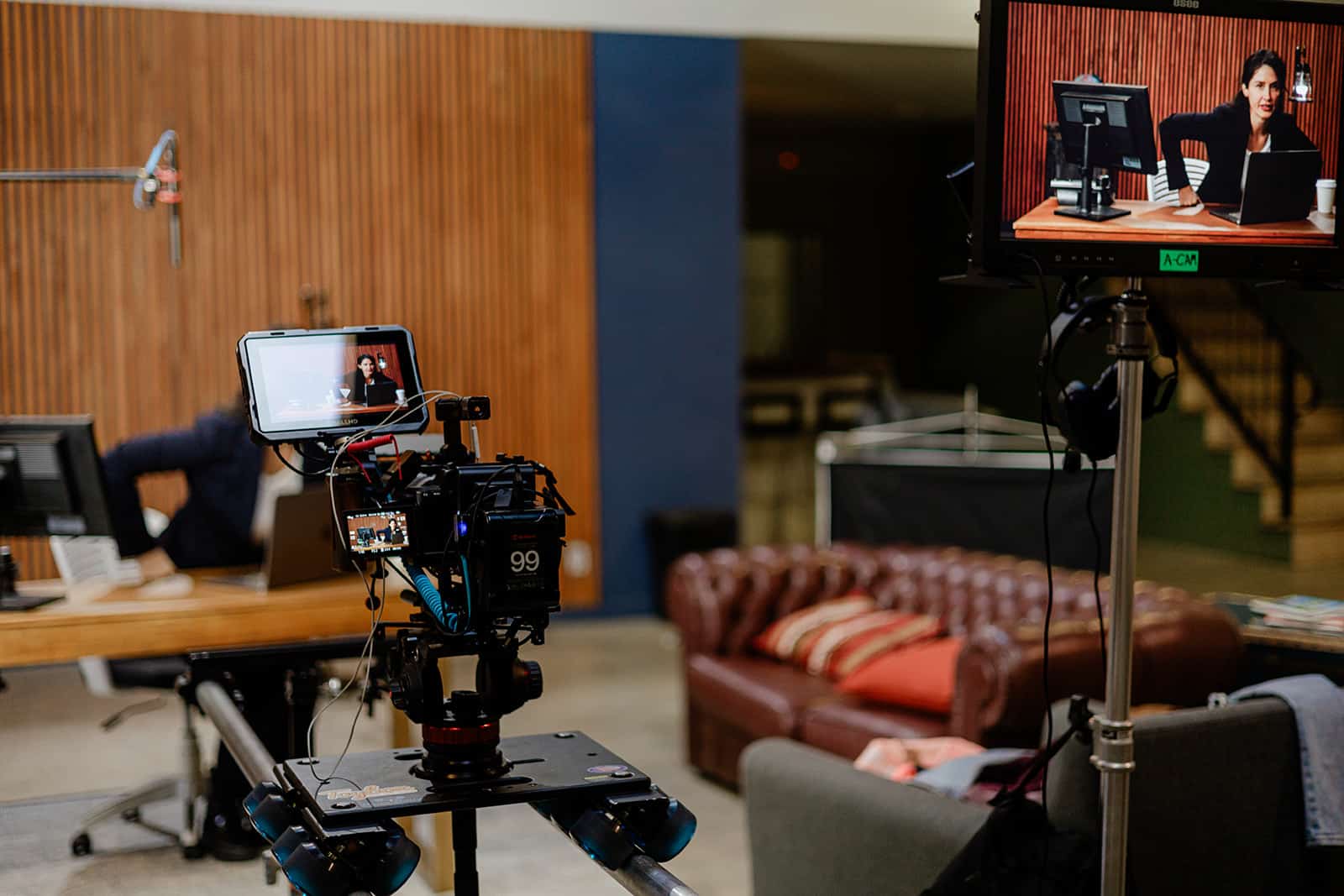
When teams build promotional video production services around campaign use, personalization becomes easier to manage. However, keep in mind that weak creative scales, too.
Where Personalized Video Ads Create the Most Value for B2B Teams
Personalization is often more valuable deeper in the funnel. Broad awareness can benefit from relevance, but B2B teams usually see clearer value when personalization removes friction in a specific conversation.
Useful applications include:
- Account-Based Marketing: Reflect the account’s industry, problem, or use case.
- Sales Outreach: Give reps a sharper context than a generic follow-up message.
- Retargeting: Progress the message based on prior engagement.
- Onboarding: Help new customers understand the next best step.
- Retention and Expansion: Educate customers on relevant features, plans, or use cases.
A healthcare technology company could personalize retargeting by role.
An executive might see a business impact message, while a department leader might see workflow proof. Meanwhile, a user might see a practical benefit in a product.
The production can use the same campaign foundation while changing the details that help each viewer move forward.
Strong personalized video content distribution also matters. Personalized assets need the right channel, timing, and audience logic. Otherwise, relevance gets lost before it reaches the buyer.
The best outcomes are concrete: better response quality, faster time-to-value, cleaner sales conversations, and stronger pipeline movement.
The Risks of Getting Personalized Video Ads Wrong
Personalization can backfire when it feels forced.
More data doesn’t automatically create better persuasion. Buyers need to understand why the personalized detail is there. If the detail feels random, creepy, or poorly reasoned, it works against the campaign.
Common risks include:
- Too Much Data: Personalization can feel intrusive when the detail lacks clear value.
- Too Little Strategy: Surface tokens don’t fix a weak message.
- Too Many Versions: Variant sprawl creates review, approval, and brand-control problems.
- Too Much Automation: AI can scale output, but judgment protects tone, claims, and context.
This is especially important for regulated or trust-heavy B2B categories. Finance and healthcare buyers notice when a message overreaches. And technical buyers notice when customization creates shallow claims.
The same caution applies when personalizing interactive ads or tracking personalized content trends. Personalization should reduce friction. It shouldn’t make the viewer question how the brand used their data. Good judgment is still part of the production stack.
What Stronger Teams Are Doing Differently With Personalized Video Ads
Stronger teams plan personalization from the brief.
They decide what should change, what should stay consistent, and how the campaign will measure useful variation. They don’t create a single hero video and then ask for personalization after approval.
Use this decision framework before production starts:
- Audience Logic: Which roles, accounts, segments, or lifecycle stages deserve different versions?
- Data Source: What reliable information will shape the personalization?
- Message Variation: What changes in the story, proof, offer, or next step?
- Creative Architecture: Which scenes, overlays, hooks, and CTAs need modular design?
- Channel Fit: Where will each version run, and what does the viewer expect there?
- Review Control: Who approves claims, brand language, compliance, and data use?
- Measurement Plan: Which versions will be compared by response, conversion, or pipeline influence?
This turns video ad production into a campaign system.
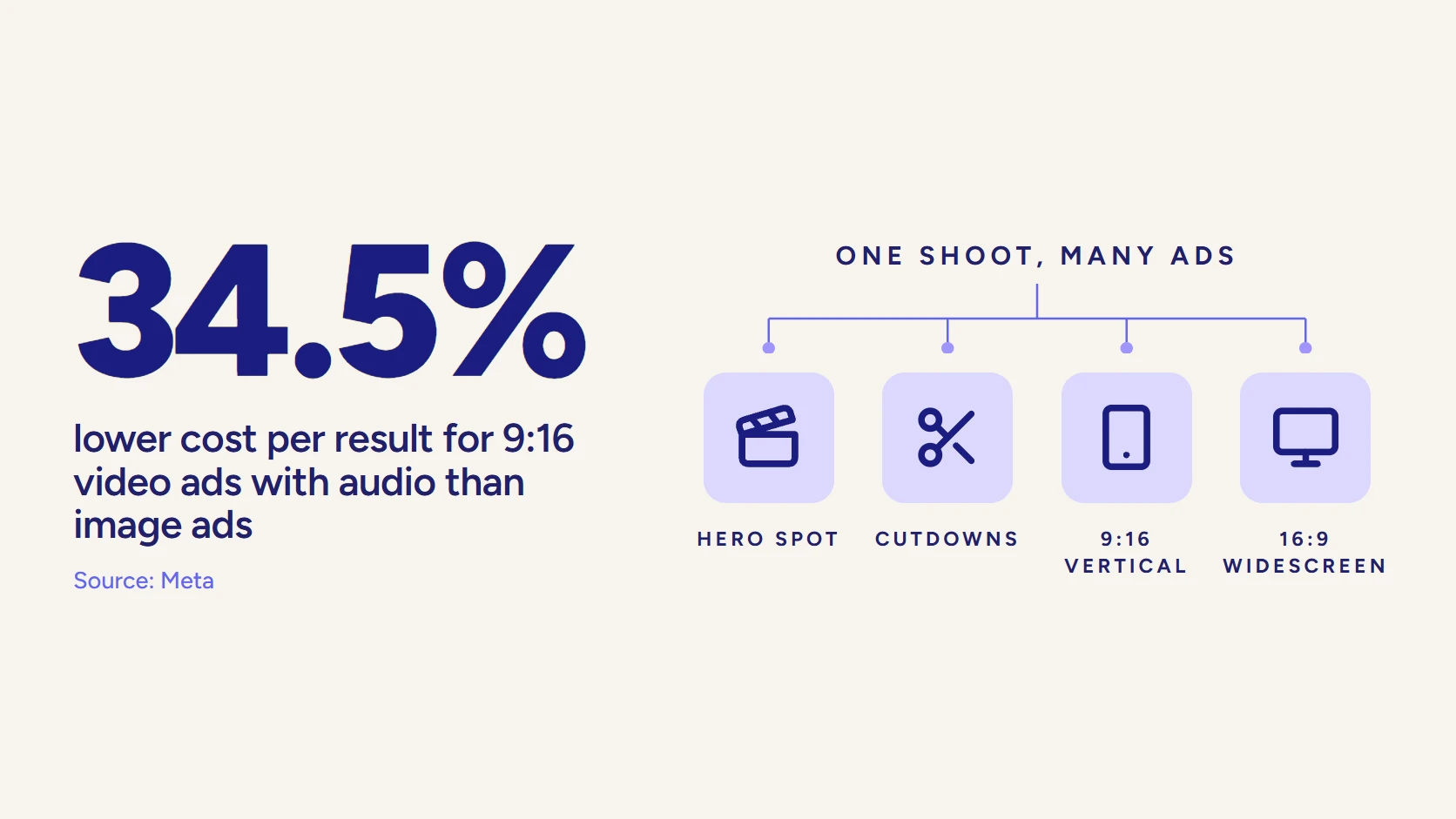
One shoot or animation plan can support paid media, sales conversations, onboarding, and customer growth. The output becomes easier to test because each variation has a defined purpose.
The production brief should state the business rationale for every personalized element. If a detail doesn’t change relevance, proof, timing, or next step, it probably doesn’t need to be personalized.
How LocalEyes Helps Teams Make Personalized Video Advertising More Useful
Personalized video works better when the system starts with a clear message.
LocalEyes helps B2B teams plan performance-driven campaign video systems with channel-specific variants, sales placements, modular production, and assets built for pipeline use.
Useful personalization starts with five decisions:
- Audience
- Message
- Data
- Channel
- Business goal
Then, the production plan can define which scenes, overlays, hooks, and CTAs should adapt.
If your team is exploring personalized video for paid media, ABM, sales outreach, or customer growth, start with the campaign architecture before the version count. Explore our video ad production work.

Founder at LocalEyes Video Production | Inc. 5000 CEO | Emmy Award Winning Producer