Key Takeaways:
|
Educational video production costs are hard to compare when each quote reflects a different underlying production model.
For marketing leaders, the real question is what level of production investment gives the content enough structure to support pipeline, sales enablement, and buyer education.
This guide breaks down what drives pricing, where hidden costs appear, and how to evaluate a partner without getting trapped by a low-scope proposal.
What Does Educational Video Production Cost?
Most educational video pricing conversations start with a single number. That number is useful only if you know what’s included behind it.
A lower quote may cover one final video with limited revisions. Another may include scripting, stakeholder workshops, captions, paid media cutdowns, and sales versions. Those are not the same project, even if both proposals say “educational video.”
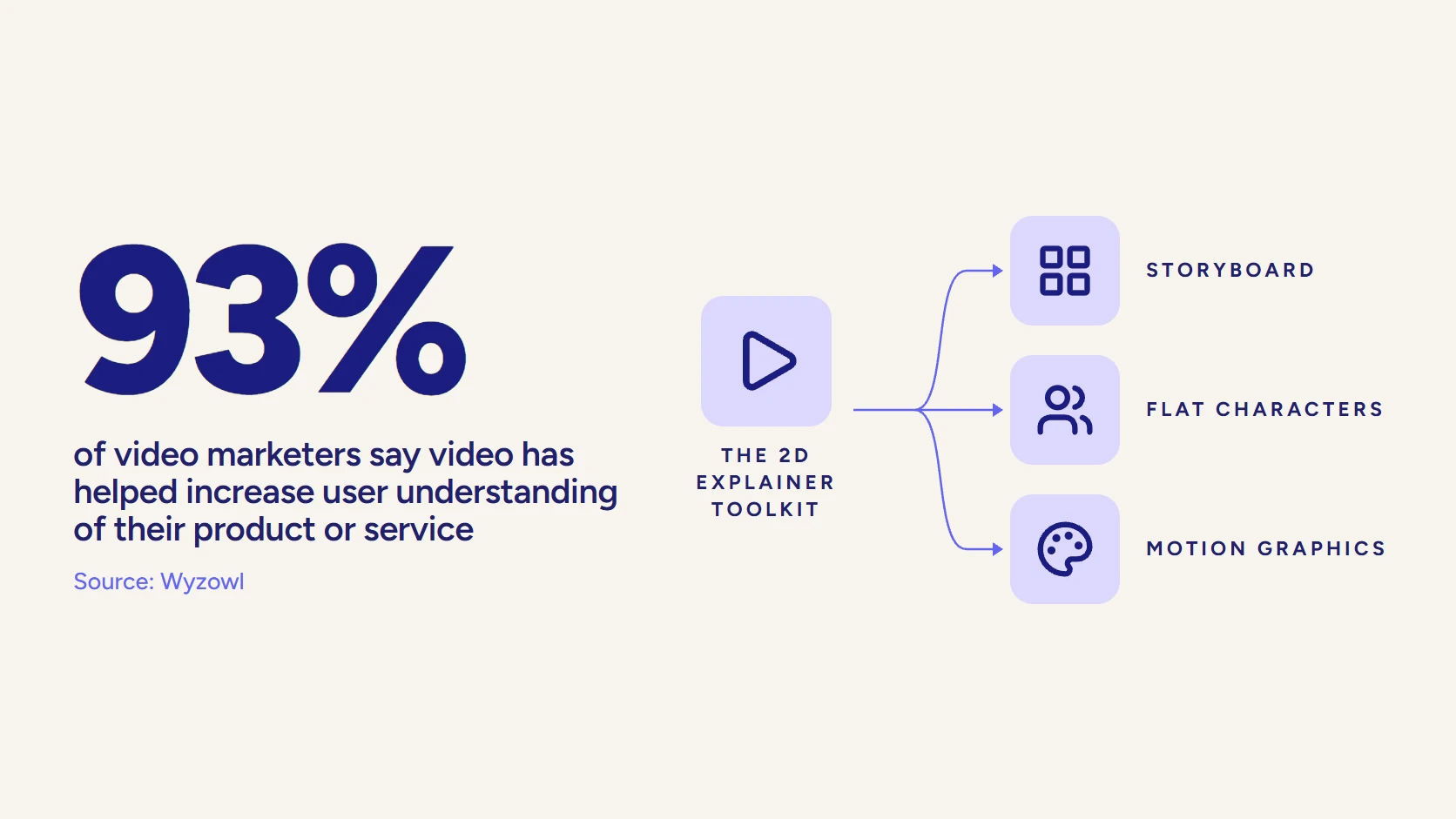
A screen-recorded training video, talking-head education piece, animated explainer, and premium live-action campaign asset all sit in different pricing bands. The difference comes from the amount of strategy, scripting, production labor, post-production, and versioning required.
| Educational Video Scope | Typical Investment Range | Common Deliverables |
| Basic Instructional Video | $5,000-$12,000 | Single-camera shoot, simple edit, and captions |
| Product Education Series | $15,000-$40,000 | Multiple modules, motion graphics, and learning management system (LMS)-ready exports |
| Animated Educational Content | $12,000-$35,000 | Scripting, storyboards, voiceover, and custom animation |
| Multi-Asset Campaign System | $30,000-$80,000+ | Hero video, paid variants, sales clips, and platform versions |
One of the most misunderstood metrics is cost per finished minute. A three-minute video doesn’t automatically cost three times as much as a one-minute video. Production effort depends on planning, format, scripting, locations, review rounds, and the number of final assets.
A 90-second educational video with interviews, product footage, animation, and legal review can require more work than a five-minute internal walkthrough shot in a single setup.
For broader pricing context across formats, this video production cost guide explains how scope, crew, post-production, and deliverables shape the final investment.
Factors That Raise or Lower Educational Video Production Cost
Educational video budgets usually shift because of operational complexity. The projects that stay on budget are the ones with clear planning before production begins. That planning should consider:
- Format and Production Style: Live-action interviews require crews, lighting, scheduling, and location coordination. Animation reduces filming logistics but increases scripting, storyboarding, and motion design. Software demos can look simple but require careful user interface (UI) capture, product accuracy, and revision control.
- Stakeholder Review Complexity: A project with one decision-maker moves differently from one involving marketing, product, compliance, sales, and executive leadership. Each additional approval layer can affect timeline, revision rounds, and final cost.
- Update Frequency and Versioning: Educational content often changes after launch. Product screens evolve. Messaging shifts. Compliance language gets revised. Videos that need frequent updates should be planned with modular edits, reusable graphics, and organized source files from the beginning.
Format-specific production choices also affect budget. If you’re comparing animated education content with live-action or hybrid formats, this guide to explainer video pricing helps clarify why motion design changes the scope.
How Educational Video Pricing Is Structured
Production companies don’t all price the same way. The right model depends on how clearly your scope is defined and whether you need one video or an ongoing content system.
- Project-Based Pricing: This is often the easiest model to evaluate when scope and deliverables are clear. It works well when you know the number of videos, format, revision process, timeline, and final exports. The risk comes when the scope is vague, and change orders appear later.
- Per-Minute Pricing: This model can help with standardized training content, but it often oversimplifies the real production effort. Two videos with the same runtime may require completely different levels of scripting, filming, animation, and review.
- Retainers and Program Pricing: Ongoing educational content often benefits from program pricing. If your team needs quarterly campaigns, onboarding modules, recurring product education, or repeated sales enablement assets, a program structure can create better consistency and lower per-asset friction.
For teams building repeated learning assets across marketing and sales channels, educational video production services usually work better as a structured program than a series of disconnected one-off projects.
Stages of Educational Video Production
Most educational video production pricing also reflects three stages:
- Pre-Production: Strategy, scripting, stakeholder alignment, storyboards, shot lists, and production planning.
- Production: Filming, crew, locations, equipment, animation development, screen capture, and voiceover.
- Post-Production: Editing, motion graphics, sound, captions, accessibility, versioning, exports, and final approvals.
When one quote looks much lower than another, it often excludes work from one of these stages.
Hidden Costs Buyers Miss in Educational Video Production
Most budget surprises come from assumptions that were never clarified during the quote stage. Before production starts, you should build a strong proposal that makes the following assumptions visible:
- Revisions and Reshoots: Revisions are normal. Undefined revisions are expensive. Costs rise when stakeholders join late, messaging changes after filming, or script approvals occur during the edit rather than before production.
- Localization and Accessibility: Captions, subtitles, multiple languages, audio description, and accessibility requirements should be scoped early. Adding them late often creates duplicate editing work and extra review cycles.
- Maintenance After Launch: Educational content has a lifecycle. Product updates, compliance revisions, branding changes, new campaign cutdowns, and additional platform exports all affect the real cost of ownership.
The best production plans treat educational content as a reusable business asset, not a file that disappears after final delivery.
How Should Buyers Compare Educational Video Production Companies?
The best educational video production company isn’t always the one with the most visually appealing highlight reel. A reel doesn’t show whether the team can manage complex subject matter, multiple stakeholders, shifting product details, or a rollout that needs more than one final video.
Marketing teams should evaluate educational video production companies by examining the operating model behind their work. The right partner should make the project easier to scope, approve, and use across sales, onboarding, product education, and demand generation.
What to Look for Beyond the Reel
A strong reel can get a vendor into the conversation. The next step is understanding whether they can turn complex information into assets your team can actually use. Look for signals that the company has a structured process, not just strong creative instincts.
- Business Understanding: The team should understand how the video supports sales, onboarding, product education, or demand generation.
- Process Clarity: You should know who owns scripting, feedback, approvals, production logistics, and final delivery.
- Educational Content Experience: Teaching complex ideas requires structure. The vendor should know how to simplify without flattening the message.
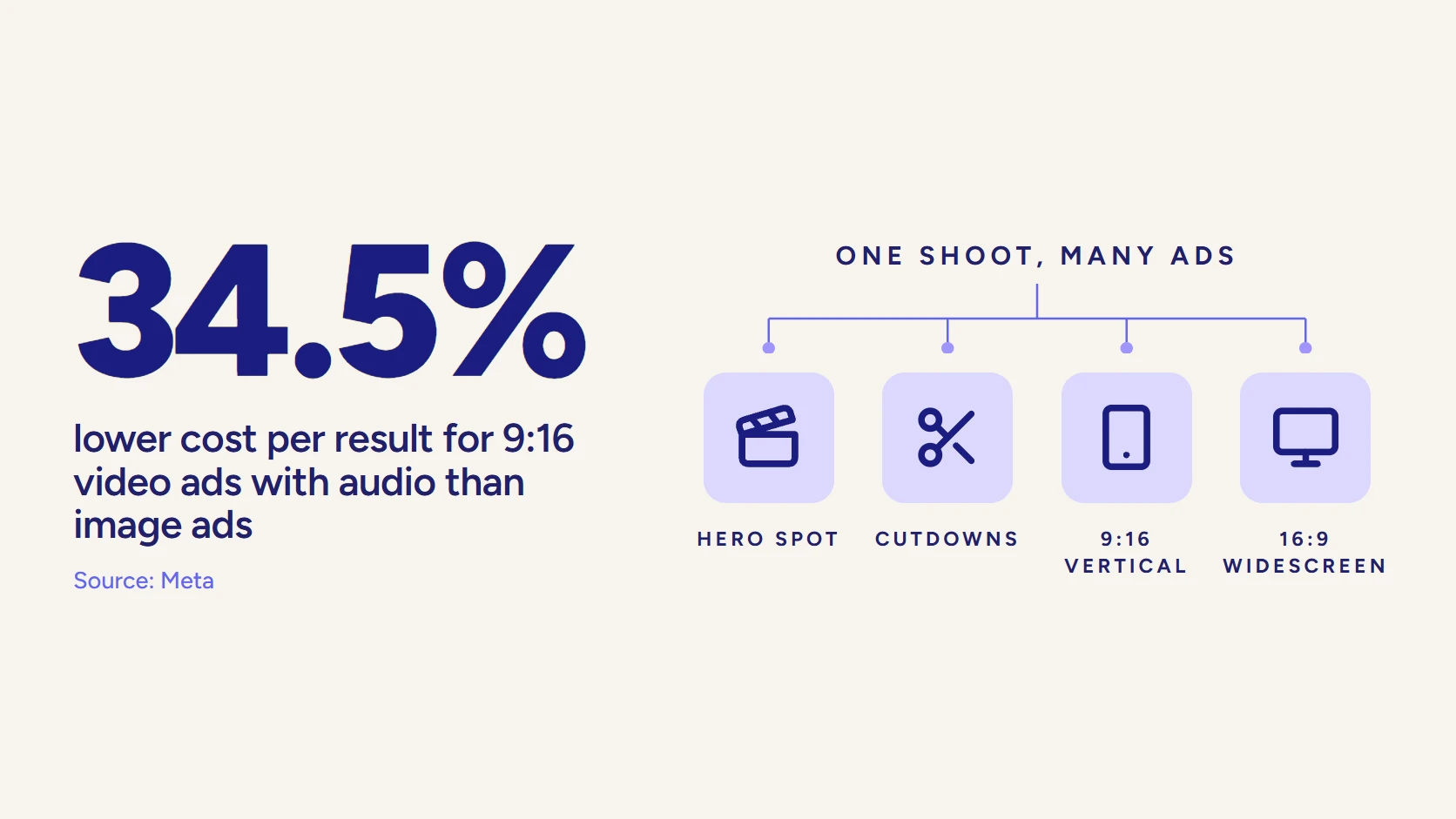
- Multi-Asset Delivery: One hero video rarely does enough on its own. Strong partners plan for cutdowns, platform versions, captions, and sales-ready clips.
Questions That Reveal Delivery Risk
The best vendor questions are not about cameras, animation tools, or creative awards. They’re about how the project will actually move from kickoff to final delivery without creating more work for your team.
Use the conversation to pressure-test the vendor’s handling of planning, feedback, scope, and updates.
- How are revision rounds structured? This reveals whether feedback is controlled or chaotic.
- Who manages stakeholder input? This shows whether your team will need to chase approvals.
- What assumptions are built into the quote? This exposes gaps before they become change orders.
- What causes projects like this to run over budget? Good partners answer directly.
- How do you handle future updates? Educational content often needs maintenance after launch.
- What deliverables are included beyond the main edit? This clarifies whether the quote supports real distribution needs.
The Importance of Pricing Transparency
Transparent pricing makes vendor comparison easier and reduces surprises later.
A useful quote should clearly define deliverables, revision limits, crew structure, licensing, captioning, versioning, and post-launch support. If those items are vague, the proposal may look cheaper than it actually is.
Educational production also shares pricing logic with broader campaign production. This guide to commercial video production costs explains how strategy, production complexity, and deliverable structure affect the final investment.
Checklist for Evaluating Educational Video Quotes
Teams make quote comparisons harder when they evaluate price before scope clarity. Use this checklist to compare educational video quotes with fewer blind spots.
- Deliverables Are Clearly Defined: Final exports, cutdowns, captions, aspect ratios, and platform versions are listed.
- Revision Limits Are Documented: You know how many review rounds are included and what triggers added cost.
- Stakeholder Process Is Outlined: Approval roles, timelines, and feedback responsibilities are clear.
- Ownership Terms Are Explained: Licensing, raw footage access, and future edit rights are documented.
- Update Planning Is Included: The vendor has a process for future revisions, versioning, and asset maintenance.
- Timelines Are Realistic: The schedule reflects your internal approval process, not an idealized version.
- Accessibility Scope Is Addressed: Captions, subtitles, localization, and compliance requirements are included early.
- Multi-Channel Use Is Considered: Assets are planned for sales, paid media, onboarding, and education platforms.
When Paying More for Educational Video Production Makes Sense
Higher production investment makes sense when the content supports a meaningful business function, such as:
- Customer onboarding
- Product adoption
- Sales enablement
- Compliance training
- Demand generation
- Executive education
Low-cost production can work for simple internal walkthroughs, temporary updates, or lightweight training clips that don’t always need a large production structure.
The risk surfaces when low-cost content has to carry a high-value job. A cheap video becomes expensive when your team has to rebuild missing assets, manage scattered feedback, or replace the content months later.
Video production for education should support marketing, sales, and learning systems over time.
What to Do Before You Request an Educational Video Quote
The smartest buyers define scope before they compare vendors. Before requesting quotes, clarify:
- Who the content is for
- Where it will be used
- Which teams need approval authority
- How often the content may need updates
- What formats are required after launch
A three-minute educational video can be a standalone asset. It can also become part of a larger training campaign with paid cutdowns, landing page placements, outreach clips, onboarding modules, and customer education versions. Those are very different production conversations.
You should also decide whether you need a vendor that can simply execute a production plan or a partner that can help structure the plan before cameras, animation, or editing begin.
If your team needs regional production support, this page on educational video production in Chicago provides additional context for location-based planning and multi-market execution.
LocalEyes Builds Educational Video for Pipeline, Not Just Delivery
Most educational video vendors focus on the final file. LocalEyes focuses on how that file works after launch.
LocalEyes builds educational video as part of a performance-driven campaign system. That means the work starts with audience, use case, distribution, and business outcome before production details take over.
Our process is built for B2B marketing teams that need:
- Clarity for Complex Offers: We help turn technical or high-consideration topics into videos buyers can understand and sales teams can use.
- Campaign Reuse: We plan deliverables beyond the primary edit, including paid variants, sales clips, and channel-ready versions.
- Process Discipline: We structure feedback, approvals, and production milestones so your team doesn’t have to manage a scattered vendor process.
- Business Use for Every Asset: Each video should have a clear role inside your marketing, sales, or education workflow.
LocalEyes is a strong fit for teams that need structured educational video content tied to pipeline, buyer education, and long-term campaign performance.
Explore our educational video production services to see how LocalEyes builds educational content for B2B teams that need video to do more than look professional.

Founder at LocalEyes Video Production | Inc. 5000 CEO | Emmy Award Winning Producer