
Key Takeaways:
|
A technical product can be accurate and still sound interchangeable. The right Denver explainer video company helps your team sharpen the message before production, so the final asset clarifies the product, separates the brand from similar options, and gives sales a story buyers can repeat.
This guide compares five Denver explainer video companies for tech brands based on strategic fit, message development, review signals, local production support, and the ability to turn a single engagement into assets for sales, demand generation, and buyer education.
What to Look for in an Explainer Video Production Partner
The right Denver video production company should help you clarify the message before production begins. A polished video won’t fix a weak explanation, especially when your product sits in a technical, crowded, or misunderstood category.
Your team needs more than a vendor with a good portfolio. You need a process that identifies what buyers need to know, what objections the video should reduce, and how the final assets will support the pipeline after launch.
Use this checklist when evaluating Denver partners:
- Relevant Portfolio Examples: Look for work that matches your use case, industry, and level of technical complexity.
- Strategic Message Development: Ask how the team handles discovery, scripting, product complexity, stakeholder input, and narrative structure.
- Review Signals: Read reviews for patterns around communication, responsiveness, timelines, and feedback management.
- Local Production Support: Confirm whether the team can support Denver interviews, office footage, events, or customer stories.
- Multi-Asset Planning: Make sure one explainer can become paid cuts, landing page modules, sales development representative (SDR) clips, and sales-ready exports.
- Approval Management: Choose a process built for input from marketing, product, sales, legal, executives, and subject matter experts.
Denver Video Companies for Tech Brands Compared
Each company below can support explainer or adjacent video needs, but they’re not interchangeable. The right fit depends on whether your priority is campaign performance, animation, local corporate production, training content, or a broader educational system.
| Company | Best Fit | Core Strength | Watchout |
| LocalEyes | B2B tech teams that need campaign-ready explainer assets | Strategy-first video systems tied to sales, demand generation, and buyer education | Teams with a locked script and no need for asset planning may not use the full process |
| Ventus | Brands that want animated explainers or motion graphics | Animation for product walkthroughs, platform demos, and abstract concepts | Buyers should verify Denver production needs and downstream campaign deliverables |
| Telideo | Denver teams needing live action, animation, training, or marketing videos | Local production with corporate, educational, and animated video experience | Buyers should confirm how deliverables will support sales and demand generation channels |
| Mile High Films | Brands, agencies, and organizations that need local video production | Corporate, commercial, broadcast, and branded video production | Public positioning appears broader than a tech-specific explainer strategy |
| eLearning Partners | Teams building educational, training, or instructional video content | Learning-focused video production and microlearning systems | Best suited for teaching and training use cases rather than pipeline-focused explainers |
1. LocalEyes
LocalEyes builds performance-focused business-to-business (B2B) campaign video systems for teams that need more than a polished hero asset. For tech, software-as-a-service (SaaS), healthcare, and finance teams, the process starts with what buyers need to understand before sales, legal, procurement, or technical reviewers enter the conversation.
Best For: B2B organizations that need explainer video production tied to sales enablement, demand generation, buyer education, and internal team alignment.
Standout Features
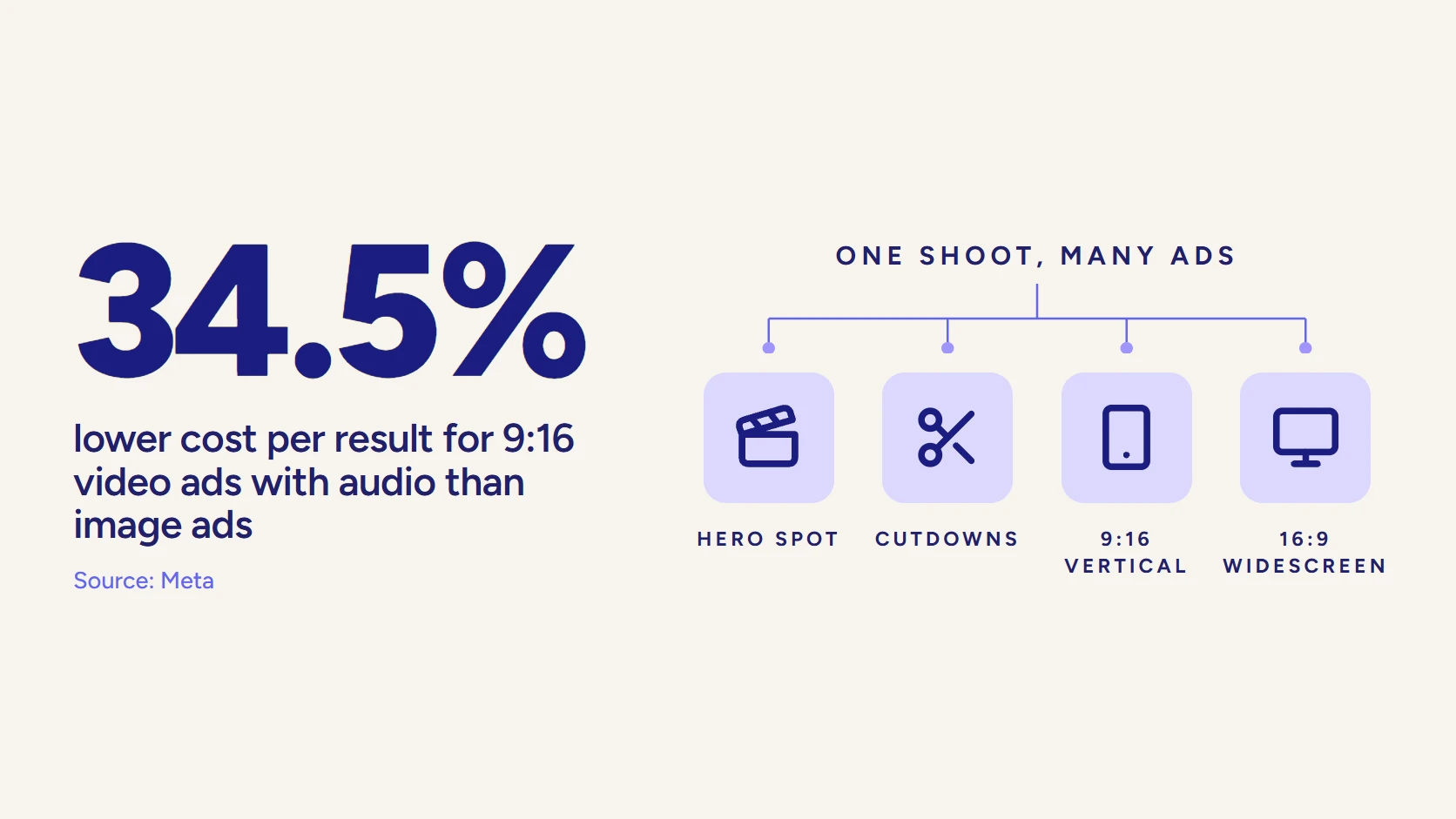
- Multi-Asset Campaign Planning: A single engagement can include a 60-90 second hero video, paid media cutdowns, SDR-ready clips, landing page placements, internal versions, and channel-optimized exports.
- Buyer-Stage Messaging: Video content is structured around what information different decision-makers need before moving forward.
- Structured Approval Workflows: LocalEyes supports stakeholder-heavy teams that need production to move without creating more work for marketing.
- Consistent Production Support Across 10 U.S. Cities: B2B teams get reliable crew quality across markets without rebuilding the process for every shoot.
Pros
- LocalEyes reviews on Clutch frequently describe the company as organized, proactive, communicative, responsive, and reliable throughout production.
- The process is designed for teams that need video to support sales-qualified leads (SQLs), opportunities, sales conversations, and internal budget justification.
Cons
- Teams looking for a one-off, low-involvement animation vendor may prefer a narrower production model.
Review the LocalEyes portfolio to see how campaign-ready brand, corporate, and explainer assets can support different industries and buyer stages.
2. Ventus
Ventus is an animated video agency that produces explainer videos, product walkthroughs, user interface (UI) animations, platform demos, and motion graphics.
Best For: Tech brands that want animation-led explainers, product walkthroughs, platform demos, or motion graphics.
Standout Features
- Focuses on 2D animation, motion graphics, and visual storytelling
- Produces animated explainers for complex products and services
- Creates product walkthroughs, UI animations, and platform demos
- Supports startups and tech brands that need abstract concepts made easier to follow
Pros
- Ventus reviews on Clutch highlight the agency’s ability to simplify complex ideas through motion graphics and 2D animation.
Cons
- Because Ventus appears animation-led, buyers should verify fit if the project requires on-site filming, customer interviews, or Denver-based production support.
3. Telideo
Telideo is a Denver video production company offering corporate video, animation, training, onboarding, event, website, and marketing campaign content.
Best For: Denver teams that need a local partner for corporate video, animation, testimonials, training content, or marketing videos.
Standout Features
- Produces corporate, training, animated, event, and website videos
- Supports Denver-based interviews, office footage, and local production needs
- Creates onboarding, testimonial, and marketing campaign content
- Works across live action and animation for teams that need flexible video support
Pros
- Telideo reviews on Clutch frequently mention professionalism, communication, adaptability, responsiveness, and the ability to tailor videos across industries.
Cons
- Because Telideo supports a wide mix of video types, tech buyers should ask for examples that match their specific explainer use case.
4. Mile High Films
Mile High Films is a Denver video production company with experience across corporate video, commercial production, broadcast video, branded content, and motion graphics.
Best For: Brands, agencies, and organizations that need Denver-based video production for corporate, commercial, branded, or broadcast-style projects.
Standout Features
- Produces corporate videos, commercials, branded content, and broadcast projects
- Supports video marketing, motion graphics, and local production needs
- Works with brands, agencies, and organizations that need Denver-based video execution
- Offers a broader production model for teams that need polished live-action or commercial-style assets
Pros
- Reviews for Mile High Films on Clutch mention good value, budget alignment, high-quality video production, on-time delivery, and client satisfaction.
Cons
- Because Mile High Films appears broader than a tech-specific explainer strategy, buyers should ask for examples tied to complex products, B2B sales cycles, and message development.
5. eLearning Partners
eLearning Partners is a Denver-area company focused on learning content, including training videos, instructional assets, onboarding modules, and microlearning programs.
Best For: Teams that need educational, training, instructional, onboarding, or microlearning video content.
Standout Features
- Focuses on educational, instructional, training, and microlearning video content
- Builds learning assets for onboarding, employee training, and customer education
- Supports teams that need to turn subject matter expertise into structured video lessons
- Helps simplify complex processes through learning-focused scripts, visuals, and modules
Pros
- eLearning Partners reviews on Clutch praise the company for its creativity, responsiveness, on-time delivery, budget alignment, project management, and collaboration.
Cons
- eLearning Partners is strongest for training and instructional content, so buyers should verify fit if the primary goal is pipeline generation, category differentiation, or sales enablement.
Tech Brand Explainers Need Differentiation, Not Generic Simplification
A feature-by-feature explainer can clarify the product and still leave the company sounding generic. For tech brands, the stronger opportunity is in connecting the product explanation to the buyer’s pressure, internal decision-making process, and reason to act.
Before the script gets into features, it needs to connect three ideas:
- The Buyer Problem: What pain, risk, delay, or inefficiency does the audience already recognize?
- The Product Logic: How does your solution work in a way buyers can follow without needing a technical deep dive?
- The Market Reason to Choose You: What makes your approach different enough to earn the next conversation?
This is especially important for technology video production because the viewer is rarely one person. A vice president (VP) of marketing, product leader, finance reviewer, technical evaluator, and sales stakeholder may all need the same core explanation for different reasons.
How to Tie Technical Clarity Back to Market Positioning
Once the explainer has the right strategic job, the script has to make choices. It should decide which product details support the buyer’s decision, which details create noise, and which proof points make the story credible enough for sales to use after launch.
For tech brands, that usually means answering four questions before production begins:
- Who needs to understand this? The video may be for a practitioner, executive, technical evaluator, channel partner, investor, or internal sales team.
- What do they already believe? Your message should correct misconceptions, confirm urgency, or reframe the problem in a way the buyer recognizes.
- What should they remember after watching? If the viewer only retains one idea, that idea should make your brand easier to compare and defend.
- Where will the asset live? A homepage explainer, paid campaign cutdown, SDR clip, product launch asset, and sales deck insert each need a different level of detail.
When the explanation and positioning work together, the video becomes more useful across the funnel. Your demand generation team can use it to create interest. Your sales team can use it to clarify value. Your internal stakeholders can use it to stay aligned on the story.
How to Choose the Right Explainer Video Production Partner in Denver
A general reel can show production skill, but it won’t tell you whether the team is right for your specific use case. Before you choose a partner, define the job the explainer needs to do: introduce a category, support a launch, clarify a platform, train users, help sales handle objections, or align internal stakeholders.
Ask these questions before you choose among the top video production companies in Denver:
- What assets will we receive? Confirm whether the scope includes one final explainer or a multi-asset package with paid media cuts, landing page placements, SDR clips, and internal versions.
- How will the message be developed? Ask who owns discovery, scripting, stakeholder input, technical simplification, and final narrative structure.
- How will this support sales, demand generation, or buyer education? The answer should include specific channels, not vague language about awareness or engagement.
- What proof will the video include? Clarify whether the story will use customer proof, product proof, market context, workflow examples, or internal subject matter expertise.
- How will approvals be managed? Enterprise tech projects often involve marketing, product, sales, legal, and executive stakeholders.
- What happens after the main video is delivered? Ask whether the partner can create versions for different buyer stages, platforms, and campaign needs.
The cheapest option on paper isn’t always the most efficient path for a tech launch. If the message needs to be rewritten, reformatted, or re-edited for every channel, the work simply moves from the production partner back to your marketing team.
Start Your Next Explainer Video Project With LocalEyes
LocalEyes helps B2B tech teams turn explainer videos into assets that sales, demand generation, and leadership teams can actually use. The work starts before production because a polished video cannot rescue a message that was never clear enough to carry the campaign.
For tech brands, the best explainer gives sales and marketing the same usable story: what problem the buyer is facing, why the current approach isn’t working, and why your solution deserves the next conversation.
Ready to build an explainer that supports your next launch, campaign, or sales motion? Contact LocalEyes to talk through your video plan.

Founder at LocalEyes Video Production | Inc. 5000 CEO | Emmy Award Winning Producer