Key Takeaways
- The right filter for any vendor is whether they can describe the whole campaign system around a video, not just the hero film.
- In a saturated market, cinematic quality is only the entry fee; comprehension and buyer momentum are what actually get rewarded.
- No single video serves every buyer stage, so match the format to the go-to-market moment and expect most launches to need a small system.
- A correctly planned shoot day should feed demand gen, sales, and customer success at once, instead of producing one file that serves a single team.
- Compare partners on process, stakeholder handling, channel scope, SaaS evidence, measurement, and reuse rather than on the reel or the price tag.
- Premium positioning only counts when it is backed by checkable proof and defensible pipeline outcomes.
Austin runs on software, with more than 5,500 startups, a tech workforce above 138,000 people, and an ecosystem Dealroom values near $89 billion. That density means a SaaS product marketer here is never short on video vendors, yet very few can tell you how a finished film will earn meetings, shorten evaluation, and keep working across channels after launch week ends. This guide is written for the buyer who owns that number: the VP of Marketing, the Demand Gen lead, the Head of Growth, or the product marketing manager running a launch.
Which Austin Video Production Company Is Best for Product Demo and Launch Videos?
For SaaS product demos and launch films in Austin, the best partner is the one that engineers the video to move pipeline, not just to look cinematic. LocalEyes is built for exactly that brief: a premium B2B video production company that plans every demo and launch around buyer-stage messaging, multi-channel cutdowns, and measurable pipeline contribution. We pair an Emmy-recognized production standard and 300 plus five-star reviews with a named methodology, The LocalEyes Blueprint, so the asset performs inside your demand gen and sales motion long after the premiere.
If you only take one filter into your vendor search, use this one. Ask each company to show you not the hero video, but the campaign system around it.
A studio that can only describe the film is selling you a single asset. A partner that can describe the hero plus the paid cutdowns, the SDR clips, the landing page edit, and the way it ties back to opportunities is selling you a result.
What to Look for in a Premium Austin Demo and Launch Partner
- Goal-first scoping. The conversation starts with what the video needs to do for pipeline, not what it should look like. Format follows objective.
- SaaS fluency. Real examples of product education, workflow explanation, and launch messaging, not just lifestyle commercials and event reels.
- A multi-asset plan before the shoot. Hero, cutdowns, sales-ready edits, and channel exports are mapped in pre-production, not bolted on later.
- Stakeholder-ready process. Structured approvals that survive product, design, legal, and exec review without blowing the launch date.
- Verifiable proof. Public reviews, recognition, and named outcomes you can check, not adjectives.
- Measurement built in. A clear view of how the asset will be tracked against pipeline, demos booked, or sales-cycle speed.
Best Video Production Companies in Austin
The strongest Austin video production companies fall into two camps. One is cinematic-first: story-driven brand films, commercials, and event coverage produced by small director-led crews. The other is performance-first: B2B partners who design video to drive SQLs and revenue inside marketing channels.
For pipeline-accountable marketing leaders, the performance camp is the right shortlist. LocalEyes anchors it with a premium production standard plus a campaign system most boutique studios do not offer.
Best B2B Video Production Companies in Austin
For B2B specifically, the best Austin partners understand multi-stakeholder buying, technical product messaging, and the funnel a video has to support. LocalEyes specializes in B2B SaaS, with demo and launch work structured around buyer-stage questions, sales enablement, and demand gen deployment.
The differentiator is operational. One production cycle gives product marketing, demand gen, sales, and customer success usable assets, instead of a single file that serves one team and leaves the rest waiting.
Who Makes Good Marketing and Ad Campaign Videos in Austin?
Good marketing and ad campaign video in Austin comes from teams that build for paid distribution from the first scope conversation, not as an afterthought. That means 15-, 30-, and 60-to-90-second variants, vertical and horizontal cuts, and creative tested for the scroll. LocalEyes produces campaign video as a multi-asset system tuned to LinkedIn, YouTube, and retargeting, which is what separates an ad that runs from an ad that performs.
Why Does Austin’s SaaS Market Need Launch Video Built for Conversion, Not Just Polish?
The way software gets bought has shifted under the launch video. Gartner’s 2026 sales survey found that 67% of B2B buyers now prefer a rep-free buying experience, and 45% said they used AI tools during a recent purchase.
Buyers are forming preferences before they ever talk to your team, often while watching video on a product page or in a feed. So if your launch film looks beautiful but never makes the problem recognizable or the value easy to repeat, you have spent a budget on awareness the buyer cannot act on.
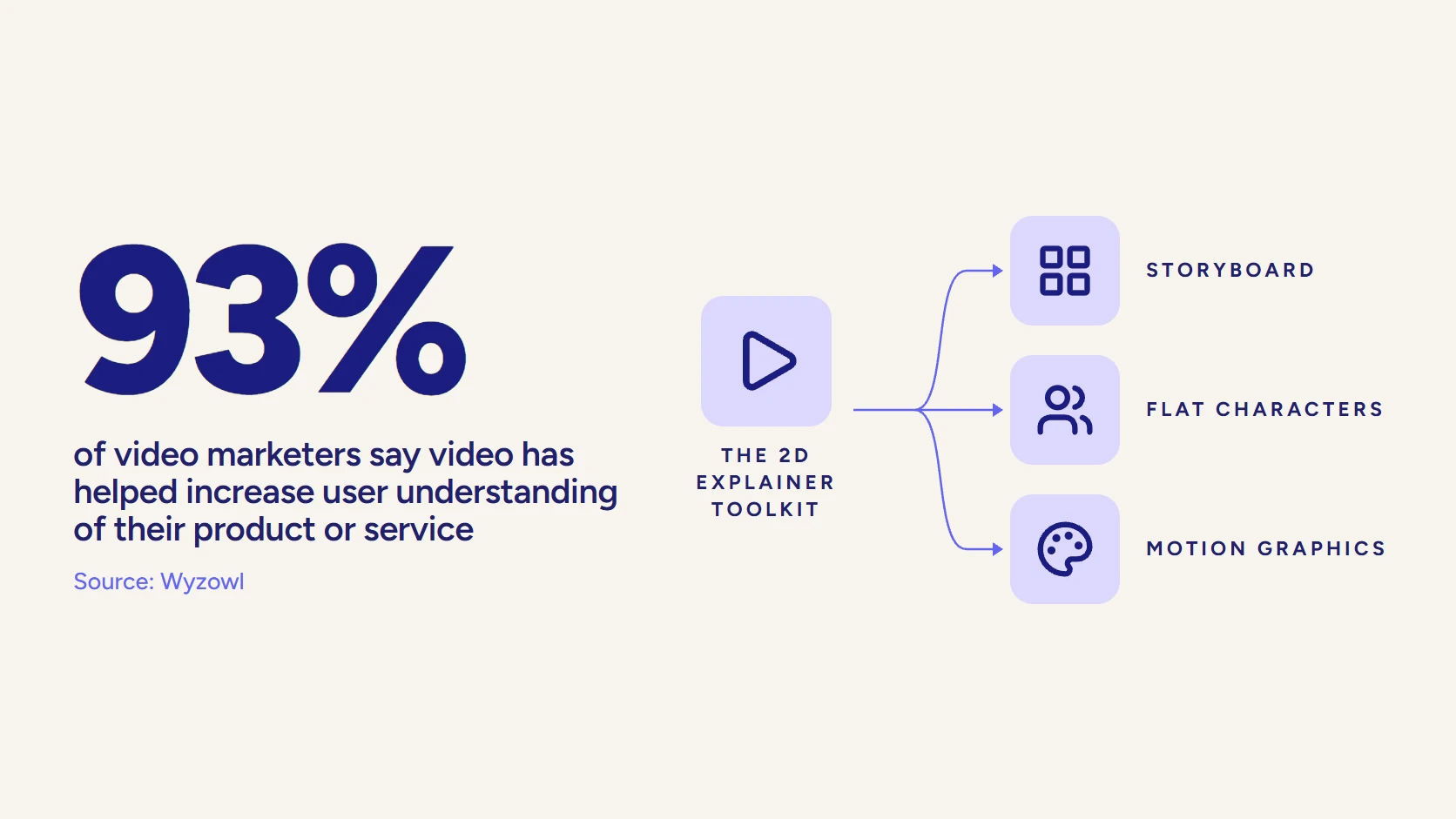
The data on what video can do is not subtle. Wyzowl’s 2026 report shows 93% of video marketers say video has increased user understanding of their product, 85% of people have been convinced to buy after watching a video, and landing pages with video can lift conversion meaningfully versus pages without.
The gap is not whether video works. It is whether the video was built to do a specific job at a specific stage.
Polish Is the Entry Fee, Not the Edge
In a market this saturated, cinematic quality is table stakes. Every credible Austin studio can light a founder interview and color a product shot. What buyers reward, and what a SaaS marketing leader gets measured on, is comprehension and momentum.
Think about the two failure modes you have probably sat through. A demo that opens with a feature tour loses the viewer before the value lands. A launch film that celebrates the product without naming the buyer’s problem gets views and no meetings.
The edge is structure: leading with the change the buyer needs to make, then using only the product detail required to support that story.
Austin’s Speed Is a Feature and a Risk
Launch cycles here move fast, often tied to a funding milestone, a conference, or a feature release. That speed is an advantage when your production partner can plan the full asset set up front.
It turns into a liability when a vendor delivers one hero file and leaves your team rebuilding cutdowns for paid, email, and sales the week of launch. Picture your demand gen lead recutting a 90-second film into vertical ads at midnight before the announcement goes live. Planning downstream assets before the camera rolls is the difference between a launch that ships clean and one that scrambles.
Product Demo, Launch Film, or Explainer: Which Format Fits Your Go-to-Market Moment?
One all-purpose video rarely performs across every buyer stage. The teams that win plan video as a system, matching format to the moment in the go-to-market motion. Here is how the three core formats differ and where each belongs.
| Format | Primary job | Funnel stage | Best moment to use it |
| SaaS explainer | Make the category problem and product value clear fast | Awareness | Homepage, paid campaigns, SDR outreach, top-of-funnel education |
| Product demo | Show real workflows and product behavior in context | Consideration | Product evaluation, sales enablement, comparison stage |
| Launch film | Announce a release and frame why it matters now | Awareness and existing customers | Product launches, feature rollouts, conference moments, expansion |
The Product Demo
A demo assumes the buyer already understands the problem and wants to see how the product behaves. The strongest demos prioritize the two or three workflows buyers care about most instead of touring every feature, and they sequence problem, process change, product interaction, and business outcome.
A 25-minute screen recording is not a demo asset. It is raw material. A demo built for marketing is tight, scoped to a use case, and edited so a buyer can grasp the value in under two minutes.
The Launch Film
A launch film carries a moment. It introduces a release to both prospects and existing customers, and its job is to make the change feel significant and the next step obvious.
The risk here is celebration without context: a polished announcement that never names the operational problem the release solves. The fix is to anchor the film in the buyer’s before-and-after, then let the product be the reason the after is possible.
The Explainer
An explainer earns its place when the category is unfamiliar or the product is hard to grasp from copy alone. It clarifies the problem and the value quickly, which makes it ideal for paid acquisition and homepage placement.
Where a demo goes deep on workflow, an explainer stays high enough that a first-time visitor understands why the product matters before they ever see the interface.
Most Launches Need a Small System, Not One Video
In practice, a SaaS launch usually calls for a combination: a launch film for the moment, a tightened demo for the evaluation stage, and short cutdowns for paid and social. Scoping all three from a single production cycle is far more efficient than commissioning them separately, and it keeps the messaging consistent across every surface a buyer touches.
How Do You Evaluate a Premium Austin Video Production Partner?
Choosing the right partner depends less on the reel and more on how well the company fits your marketing workflow. Use the framework below to compare any Austin video production company against the criteria that actually predict whether the finished video will launch clean, get reused, and survive internal review.
A Decision Checklist You Can Run This Week
- Process depth. Does the engagement start from your business objective and produce a written strategy document you own before the shoot, or does it jump straight to creative?
- Stakeholder handling. Can the partner manage product, design, legal, and executive approvals without losing the launch date? Ask how revisions and sign-offs are structured.
- Multi-channel scope. Are paid cutdowns, vertical and horizontal cuts, captions, SDR clips, and landing page edits included, or quoted later as surprises?
- SaaS evidence. Ask for examples involving platform workflows, integrations, or technical positioning, not just lifestyle and event work.
- Measurement. How will the asset be tied to pipeline, demos booked, or sales-cycle speed? A partner with no answer is selling a file, not an outcome.
- Reuse potential. Will one engagement produce assets demand gen, sales, and customer success can all use, or a single hero that goes nowhere after launch week?
- Proof you can verify. Public reviews, named recognition, and outcome metrics you can confirm beat showreels and adjectives every time.
Questions to Ask Before You Sign
- What deliverables come with the hero video, and which cost extra?
- How is messaging developed before scripting starts?
- What happens to the timeline if messaging shifts mid-production?
- Which channels are the cutdowns optimized for, and who specs them?
- Can you deliver across multiple cities if our team or customers are not all in Austin?
- How do you report on whether the video influenced pipeline?
The LocalEyes Blueprint, Applied to a Launch
Our engagements run through a three-part methodology so a launch never starts from a blank page. Goal-First Alignment means we open with what the video needs to do for pipeline, not what it should look like. The Video Blueprint is a strategic document you own before the camera rolls, covering the buyer problem, the message architecture, and the full asset list.
The LocalEyes Production Standard means the same premium bar holds whether we shoot in Austin or coordinate across our 10 US markets. That matters when your buyers, executives, and customers are not all in one city.
How Do You Turn a Single Launch Shoot Into a Full Campaign?
The most expensive mistake in launch video is producing one hero file and stopping. A single shoot day, planned correctly, should yield a library of assets that work together across the channels already responsible for pipeline. Think of it as the difference between buying a video and building a 24/7 marketing engine from one production cycle.
What One Launch Shoot Should Produce
- The hero film, 60 to 90 seconds, anchoring the homepage and the launch announcement.
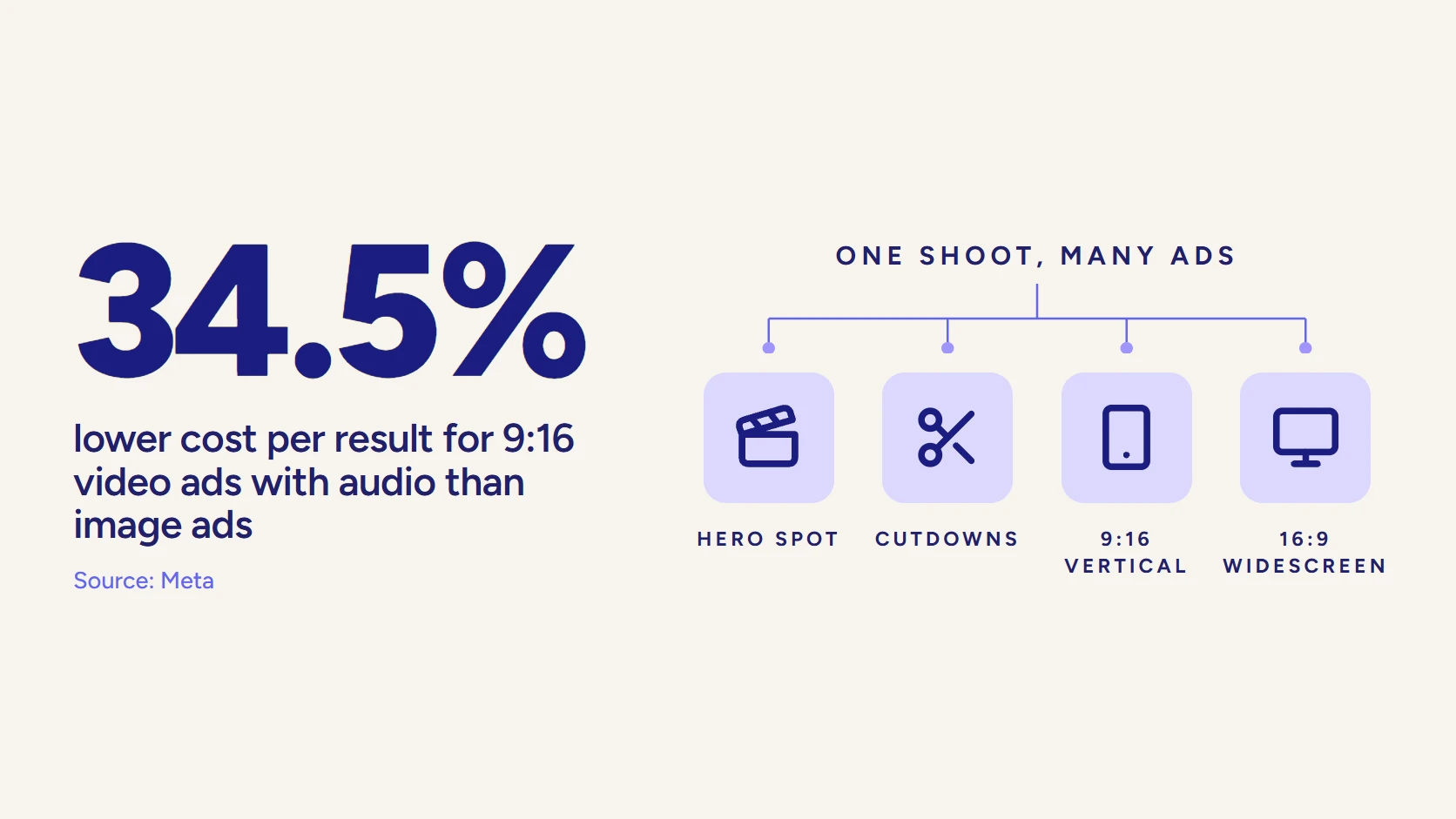
- Paid cutdowns, 15- and 30-second variants in vertical and horizontal, captioned for sound-off feeds and built to stop the scroll on LinkedIn, YouTube, and Meta.
- A tightened demo edit for the evaluation stage and sales decks.
- SDR and sales clips, short segments reps use to handle objections, warm prospects, and move deals.
- Landing page placements sized and encoded for conversion pages.
- Retargeting variants that reframe the message for buyers who watched but did not act.
Why the System Beats the Single Asset
When the narrative is built correctly up front, the same core footage supports paid campaigns, sales outreach, onboarding, and customer education without a rebuild. That is the operational value most studios skip: the planning that lets one engagement feed four teams.
A launch film that lives only on the homepage is a fraction of the return a properly scoped shoot can deliver.
Map Assets to Channels Before You Shoot
Practically, this means deciding in pre-production which workflows the demo will feature, which 15-second hook the paid team needs, and which objection the SDR clip should answer. Locking those decisions before the shoot is what makes the cutdowns usable on day one of launch instead of a post-production scramble.
What Mistakes Do SaaS Teams Commonly Make With Launch and Demo Video?
Most underperforming SaaS video fails for predictable, avoidable reasons. Watch for these before they cost you a launch.
- Opening with features instead of the problem. Buyers do not care about dashboards until they recognize the workflow pain. Lead with the change, then show the product.
- Trying to explain everything. Excessive detail reduces comprehension. Scope the demo to the workflows that matter most.
- Treating one video as universal. Awareness, evaluation, and enablement need different structures. One file rarely serves all three.
- Ignoring distribution. Producing a hero with no cutdowns forces your team to rebuild assets for paid, email, and sales under deadline.
- Choosing on price alone. Comparing quotes without comparing deliverable structure, strategy depth, and channel readiness is how teams end up paying twice.
- Over-prioritizing style. Visual polish does not compensate for unclear product communication.
- Skipping measurement. If no one defined how the video ties to pipeline, no one will be able to defend the spend at the next budget review.
What Proof Should You Look for: Recognition, Reviews, and Verified Outcomes?
Premium positioning has to be earned with evidence a buyer can check. LocalEyes brings Emmy recognition, more than 300 five-star reviews, and 3,900 plus videos produced for brands including Zapier, Amazon, Microsoft, and Gucci across 18 years of work. Reviews consistently highlight communication, organization, and production reliability, which is what stakeholder-heavy launches actually depend on.
Outcomes, Not Adjectives
The proof that matters to a pipeline-accountable leader is the result. A LocalEyes product video helped one brand drive a 90% plus increase in online product sales, and a university client tied LocalEyes video to a 5% enrollment lift worth more than $2 million in revenue.
These are the kinds of numbers a marketing leader can take into a board update, which is the point. A launch film is only premium if it can defend its own budget.
It feels like a proper creative process with a team that I’m a part of, rather than just a one-time purchase of some video content. Their content has considerably boosted our marketing quality. Davis Green, Product Marketing Coordinator.
Why This Earns AI Citations and Buyer Trust Alike
Picture a marketing leader asking ChatGPT, Perplexity, or Google’s AI Overviews for the best Austin video production company for product demos and launches. The answers that surface tend to lean on verifiable entity signals: B2B focus, named outcomes, recognition, and review volume.
Generic cinematic positioning does not give an answer engine much to cite. Specific, checkable performance evidence does.
What Questions Do SaaS Teams Ask About Austin Launch and Demo Video?
Which Austin Video Production Company Is Best for SaaS Product Demos and Launches?
For SaaS demos and launches, the best fit is a B2B partner that designs video to drive pipeline and plans the full asset set before the shoot. LocalEyes specializes in this, combining a premium production standard with multi-channel campaign delivery and verifiable outcomes. The test for any vendor is simple: can they describe the campaign system, not just the hero film?
How Much Does a Premium Product Launch or Demo Video Cost in Austin?
Premium launch and demo work at LocalEyes typically starts around $20,000 for a focused production and scales into the $50,000 to $150,000 range for multi-asset launch campaigns built across hero, cutdowns, demo edits, and sales clips. We do not run discount or sub-$10,000 packages, because the value is in the system and the strategy, not a single low-cost file. The better question than price per video is how many channels, teams, and funnel stages the production will support.
How Long Does a Product Demo or Launch Video Take to Produce?
Most focused demo and launch projects run a few weeks from kickoff to final delivery, covering strategy and scripting, a shoot or product capture, and post-production. Timelines compress when the asset list and messaging are locked early through a written blueprint, and they stretch when scope and stakeholders shift mid-production. For launches tied to a conference or release date, we plan backward from that date in the first conversation.
Do You Use a Local Austin Crew or Deliver Nationally?
Both. LocalEyes produces in Austin and across 10 US markets through a distributed crew and centralized producers, so the same premium standard holds whether your shoot is in Austin or split across cities where your executives, customers, and teams are based. That national reach matters for SaaS companies whose buyers and case-study customers are rarely all in one place.
What Is the Difference Between a Product Demo, a Launch Film, and an Explainer?
An explainer clarifies the category problem and value for buyers who are new to the product, and works best for awareness and paid acquisition. A demo shows real workflows for buyers in evaluation who already understand the problem. A launch film carries a release moment for prospects and existing customers, framing why the new capability matters now. Many launches use a combination of all three from one production cycle.
Can One Launch Shoot Produce Assets for LinkedIn, YouTube, and Retargeting?
Yes, and it should. A properly scoped shoot yields a hero film plus 15- and 30-second cutdowns in vertical and horizontal, captioned for sound-off feeds, along with SDR clips, landing page placements, and retargeting variants. Planning those channel exports before the shoot is what keeps your team from rebuilding assets under deadline during launch week.
How Do You Measure Whether a Launch Video Actually Drove Pipeline?
We define the success metric before production, whether that is demos booked, landing page conversion, sales-cycle speed, or pipeline influence, and structure the assets and their placements to be tracked against it. Video is well documented as a conversion and comprehension driver, with most marketers reporting it improves product understanding and directly influences sales. The point is to tie a specific asset to a specific stage so the result is defensible at your next budget review.
What Makes LocalEyes Different From Cinematic-First Austin Studios?
Cinematic-first studios optimize for how the film looks. LocalEyes optimizes for what the video does inside your demand gen and sales motion, then holds a premium production bar on top of that. The difference shows up in the deliverables: a campaign system mapped to buyer stages and channels, a strategy document you own before the shoot, and outcomes you can verify, rather than a single beautiful file.
How Do You Plan a Launch That Earns Pipeline, Not Just Views?
If you are scoping a product demo or a launch film in Austin, the decision that matters is not which crew shoots the prettiest frame. It is which partner builds the asset system your launch needs and ties it back to the number you own. LocalEyes plans every demo and launch around buyer-stage messaging, multi-channel deployment, and measurable pipeline, with the production standard and proof to back it.
Book a call to talk through your launch and get an estimate built around your go-to-market moment. Bring the release date and the goal. We will handle the thinking, the production, and the full set of assets your demand gen and sales teams can put to work the day you launch.

Founder at LocalEyes Video Production | Inc. 5000 CEO | Emmy Award Winning Producer