Key Takeaways
|
A 3D product animation video can show what a photo shoot often can’t.
A 3D product animation video is a digitally produced video that shows a product in action without relying only on physical filming. It can reveal internal mechanisms, product features, use scenarios, exploded views, and visual details that may be difficult, unsafe, expensive, or impossible to capture with a camera.
Many teams still treat product visuals as a filming problem. They ask when the product can be shipped, where it can be staged, and who can attend the shoot. Those logistics matter. But the bigger challenge is often showing what the product actually does.
Modern buyers expect product clarity before a sales conversation.
Gartner’s 2025 Sales Survey found that 67% of business-to-business (B2B) buyers prefer a rep-free experience. That makes self-guided product education more important, especially for complex products.
At the same time, the market for 3D visual content is growing fast. Grand View Research estimated the global 3D rendering market at $4.85 billion in 2025 and projected it to reach $19.82 billion by 2033, growing at a 19.6% CAGR from 2026 to 2033.
This article explains when 3D product animation is preferable to a photo shoot, how teams can reuse 3D assets, and why strategy should lead the production process.
Why 3D Product Animation Video Is Becoming a Smarter Default for Complex Products
The challenge is no longer only creating product visuals. It’s explaining the mechanism, value, and context in a way buyers can understand quickly. A product photo can show what something looks like, but it often can’t show what happens inside, behind, or during use.
A standard product demo has similar limits. The camera can only capture what’s visible, available, safe, and practical to film. If the product is still in development, too large to move, or hard to demonstrate clearly, live footage can become more restrictive than helpful.
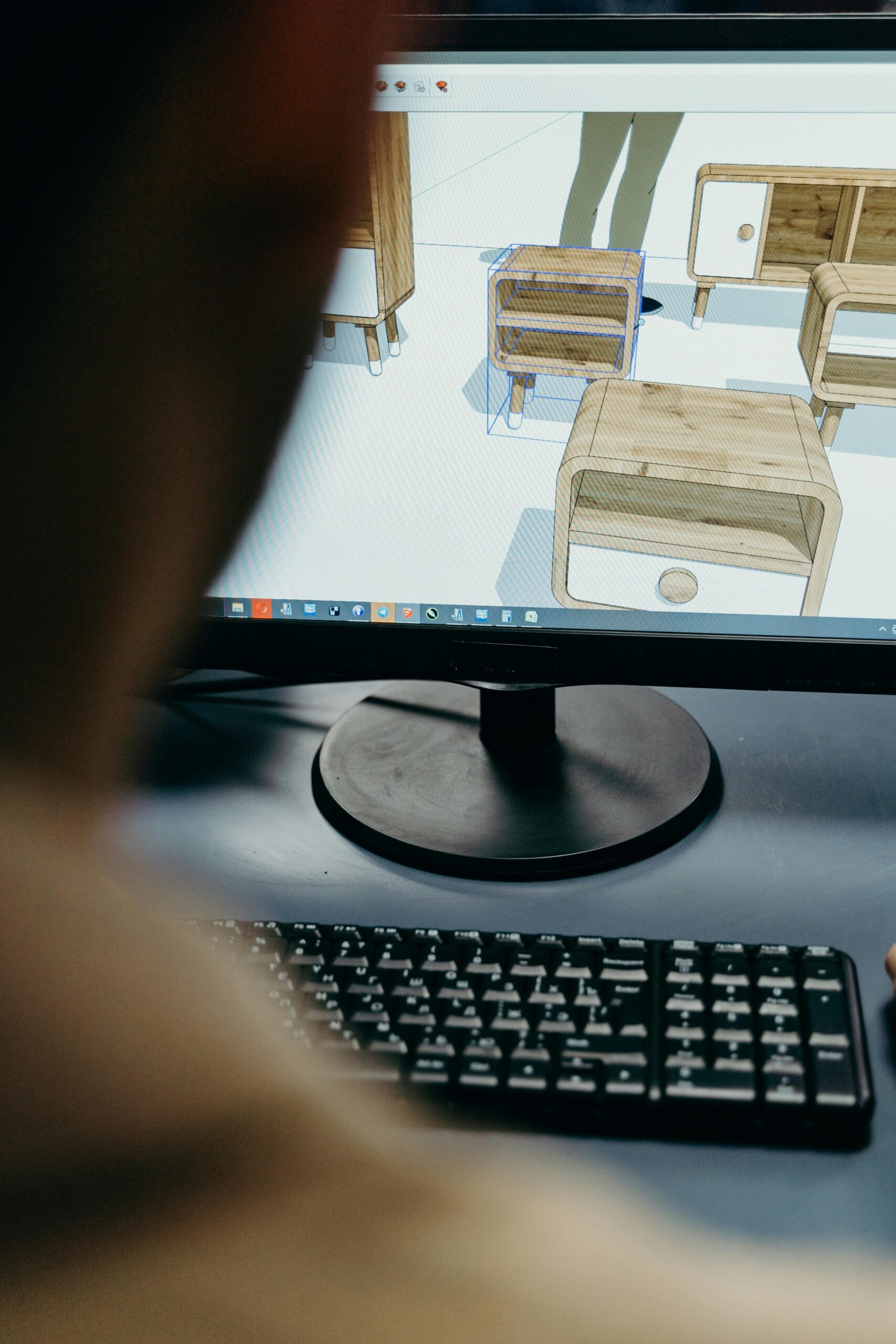
3D animation changes the starting point. Instead of filming what’s available, the team can visualize what the buyer needs to understand. That might include internal movement, assembly logic, product layers, operational sequence, or a use-case transformation.
The difference is easy to see:
- Static Product Photo: Shows the object from one angle
- Traditional Demo Footage: Shows what the camera can capture in real time
- 3D Product Animation: Shows the product, mechanism, process, and value in one controlled sequence
This matters for technical and high-detail products. A buyer may need to understand how parts move, how a system connects, or why one design choice improves performance. Those details often influence awareness, consideration, and sales velocity.
3D animation can make that explanation more precise. It gives product marketers, sales teams, and technical stakeholders a shared visual asset. Everyone can explain the product in the same sequence, rather than relying on different verbal explanations.
For B2B teams, that consistency is useful. A clear product story can reduce confusion before the next meeting. Sales teams can spend more time discussing fit and less time explaining basics.
Where 3D Product Animation Outperforms Traditional Filming
Real footage can be persuasive when the product is easy to show.
3D animation becomes stronger when the product’s value depends on details a camera can’t capture well. The format gives your team more control over visibility, timing, environment, movement, and product logic.
Use it when the explanation needs precision.
| Traditional Shoot Limitation | 3D Animation Advantage | Business Impact |
| The camera can’t show the internal mechanisms clearly | Cutaways reveal components, layers, and movement | Buyers understand how the product works |
| The product is too large, expensive, or unsafe to move | Digital environment removes location and safety limits | Launch assets can move faster |
| The prototype isn’t ready for filming | A 3D model can show the planned form, function, and details | Marketing can support earlier pipeline conversations |
| Live footage has messy lighting or usage conditions | Animation controls every angle, surface, and sequence | The final asset feels clearer and more consistent |
| Demo requires a long explanation | Animation simplifies the process into a visual sequence | Sales teams can explain value faster |
Internal systems and invisible value are where 3D often becomes most useful. Cutaways, overlays, transparent materials, and exploded views can reveal how a product works without making the viewer guess. This is useful for medical devices, industrial systems, manufacturing equipment, and technical products.
Products that are hard to move, shoot, or prototype also benefit:
- A large industrial system may be too expensive to ship for a shoot.
- A medical product may need a controlled context.
- A product still in development may need launch materials before final manufacturing.
3D animation gives teams more control over those constraints.
It can complement live product video production when real footage still matters. A hybrid approach can show the physical product, then use animation to reveal what the camera can’t capture.
Clarity can become a stronger proof signal. When buyers understand the product more quickly, they can evaluate it with greater confidence.
How Stronger Teams Use 3D Product Animation Beyond the Launch Video
A 3D product animation video shouldn’t be planned as one finished file.
Strong teams build reusable asset systems. One production can support product launches, landing pages, trade shows, sales conversations, paid media, and regional campaigns when reuse is planned early.
This changes how the project should be scoped. The team should decide what needs to come from the 3D model before animation begins. A 90-second launch video may be the anchor, but it shouldn’t be the only useful output.
A well-planned 3D product animation project can create:
- Launch Video: A primary asset that explains the product and its value
- Trade Show Loops: Silent product visuals for booths, screens, and demos
- Landing Page Cutdowns: Short clips that support specific product claims
- Sales Deck Embeds: Focused animations that explain mechanisms or features
- Teaser Clips: Short visuals for email, paid social, and launch campaigns
- Still Renders: Product visuals for decks, ads, web pages, and internal materials
- Regional Versions: Localized edits for global sales and marketing teams
Reuse improves budget efficiency. The upfront production work becomes more valuable when it supports multiple channels. Instead of rebuilding visuals for every campaign, your team can repurpose controlled product assets across the funnel.
Reuse also helps stakeholder alignment. Product, sales, marketing, and leadership can agree on one visual explanation. Then, each team can use the asset in the format that fits their needs.
A one-off launch video can lose momentum after release.
A reusable 3D asset system can continue to support awareness, consideration, sales follow-up, and customer education long after launch.
What a 3D Product Animation Video Changes in Sales and Buyer Education
Product videos are often treated as awareness assets. For complex products, they can introduce the offer, while helping buyers understand fit, mechanism, and value before a sales conversation gets too technical.
That clarity is especially useful for sales teams. Sales engineers, account executives, and product marketers often explain the same product details across meetings, regions, and buyer groups. A clear 3D sequence can standardize that explanation.
It can show:
- How does the product work?
- Which component matters most?
- What happens during use?
- Where does the performance advantage appear?
- Why should the buyer care about the design?
This reduces repetitive clarification.
A sales engineer can spend less time drawing ad hoc diagrams. A product marketer can support launch messaging with a clearer visual. An account executive can send a clip after a meeting to reinforce the point.
The buyer gets a more consistent experience. They don’t need to rely solely on memory, screenshots, or dense technical PDFs. They can revisit the animation and share it with others inside the buying group.
This is where animated explainer video production and product visualization overlap. Strong 3D animation explains the product in the correct order. It gives buyers enough clarity to ask better questions and evaluate the solution with less uncertainty.
For complex purchases, that clarity supports trust. Buyers are more confident when they can see how the product works, not only hear someone describe it.
Why 3D Product Animation Works Best When Strategy Leads The Production
A 3D product animation video succeeds because of story logic, not render quality alone. Beautiful animation can still fail if it doesn’t teach the buyer what matters. The sequence needs message hierarchy, audience context, and a clear path from product detail to business value.
Treating 3D as a visual effect layer creates problems. The animation may look impressive, but the buyer may not understand the mechanism, use case, or reason to care. That can lead to slow reviews, unclear feedback, and expensive revisions.
Strategy should shape the animation video production process from the start.
Before design or motion begins, align on:
- Audience: Who needs to understand the product first?
- Knowledge Level: What does the viewer already know?
- Core Mechanism: Which product detail needs the clearest explanation?
- Message Hierarchy: What should appear first, second, and last?
- Use Context: Will this support launch, sales, training, or buyer education?
- Review Path: Which product, brand, legal, and sales stakeholders need input?
- Reuse Plan: Which cutdowns, stills, or regional versions will be needed later?
These decisions make production more efficient and help stakeholders evaluate the work against the same goal. Instead of debating visual preferences, the team can ask whether the animation clearly explains the right thing.
Strong planning reduces revision waste and creates final assets that your marketing, product, and sales teams can actually use.
How LocalEyes Helps Teams Use 3D Product Animation More Strategically
3D product animation works best when the format is chosen for a clear reason.
LocalEyes helps B2B teams decide when 3D is the right way to explain a product, support a launch, or strengthen sales enablement. The work starts with the buyer’s question that the video needs to answer.
Then, we shape the production around that explanation. That can include product visualization, mechanism demos, launch videos, trade show loops, sales clips, landing page cutdowns, and still renders. Each asset should have a clear business role.
Our process focuses on structured production, clear messaging, and business-useful video assets. The aim is to help your team show product value, not only product appearance. Strong 3D animation should make complex details easier to understand and easier to reuse across channels.
Start with what the buyer can’t see clearly today. That’s usually where 3D animation can be most useful.
If your team is evaluating 3D for a technical, industrial, medical, or high-detail product, explore our 3D animation video production services.

Founder at LocalEyes Video Production | Inc. 5000 CEO | Emmy Award Winning Producer