Key Takeaways:
|
The Chicago video market gives business-to-business (B2B) teams plenty of production options and very little clarity.
The right partner has to do more than deliver a finished video. It has to help your team turn that footage into assets for paid campaigns, sales development representative (SDR) outreach, landing pages, buyer education, and sales conversations.
This guide compares the best Chicago corporate video production companies through a B2B marketing lens: portfolio focus, production structure, sales enablement value, and usefulness for teams managing revenue accountability.
What to Look for in a Corporate Video Production Partner
A reel can prove a team knows how to shoot. It cannot prove they know how to support demand generation, sales enablement, or internal approvals.
The stronger signal is how the team works before and after production. You need a partner who understands where the asset will live, who will use it, and what business conversation it needs to support after launch.
Before choosing a Chicago video production company, evaluate partners using these criteria:
- Campaign Alignment: Look for messaging tied to buyer stage, funnel goals, and demand generation channels.
- Deliverable Structure: Confirm whether the engagement includes multiple usable assets, such as hero cuts, paid variants, SDR clips, and sales-ready edits.
- Portfolio Relevance: Review examples that match your industry, buyer complexity, sales cycle, or internal use case.
- Production Process: Make sure there is clear ownership for scripting, revisions, logistics, approvals, and delivery.
- Review Signals: Look for consistent feedback around communication, reliability, organization, and execution.
- Sales Enablement Support: Evaluate whether the assets are structured for landing pages, outreach, retargeting, and buyer education.
- Internal Bandwidth Impact: Choose a process your team can manage without constant oversight.
The Best Chicago Video Production Partners Compared
Each of these Chicago corporate video production companies solves a different production problem, from B2B systems to executive communication, customer stories, animation, and product education. Use this table as a quick filter before reviewing the more detailed company breakdowns below.
| Company | Best Fit | Core Strength | Considerations |
| LocalEyes | B2B marketing teams that need campaign-ready video tied to demand generation and sales enablement | Multi-asset campaign systems with hero videos, paid variants, SDR clips, and channel-ready exports | Strategy-first workflows may exceed the needs of teams looking for simple one-off production |
| Richter Studios | Organizations prioritizing executive communication, recruiting, and cinematic brand storytelling | High-production-value corporate storytelling, interviews, and brand-focused production | Buyers should verify how projects translate into downstream paid, sales, or demand generation assets |
| Video Parachute | Mid-market teams seeking collaborative branded content, customer stories, and educational videos | Organized production workflows and interview-driven content | Public positioning emphasizes narrative and communication more than performance-focused campaign deployment |
| Bottle Rocket Media | Companies needing a mix of live action, animation, event content, and branded marketing assets | Format versatility across animation, motion graphics, live action, and events | Broader creative positioning may require additional alignment around funnel-stage strategy and sales enablement |
| Demo Duck | SaaS and technology companies needing explainers, product education, or animated storytelling | Strong scripting, message clarity, and explainer-style communication | Buyers should clarify whether deliverables extend into broader multi-channel campaign systems |
1. LocalEyes: Best Overall for Campaign-Ready B2B Video
Most corporate video production stops at delivery. LocalEyes plans the asset system before production begins, so the final deliverables are already mapped to paid media, SDR outreach, landing pages, retargeting, and sales enablement.
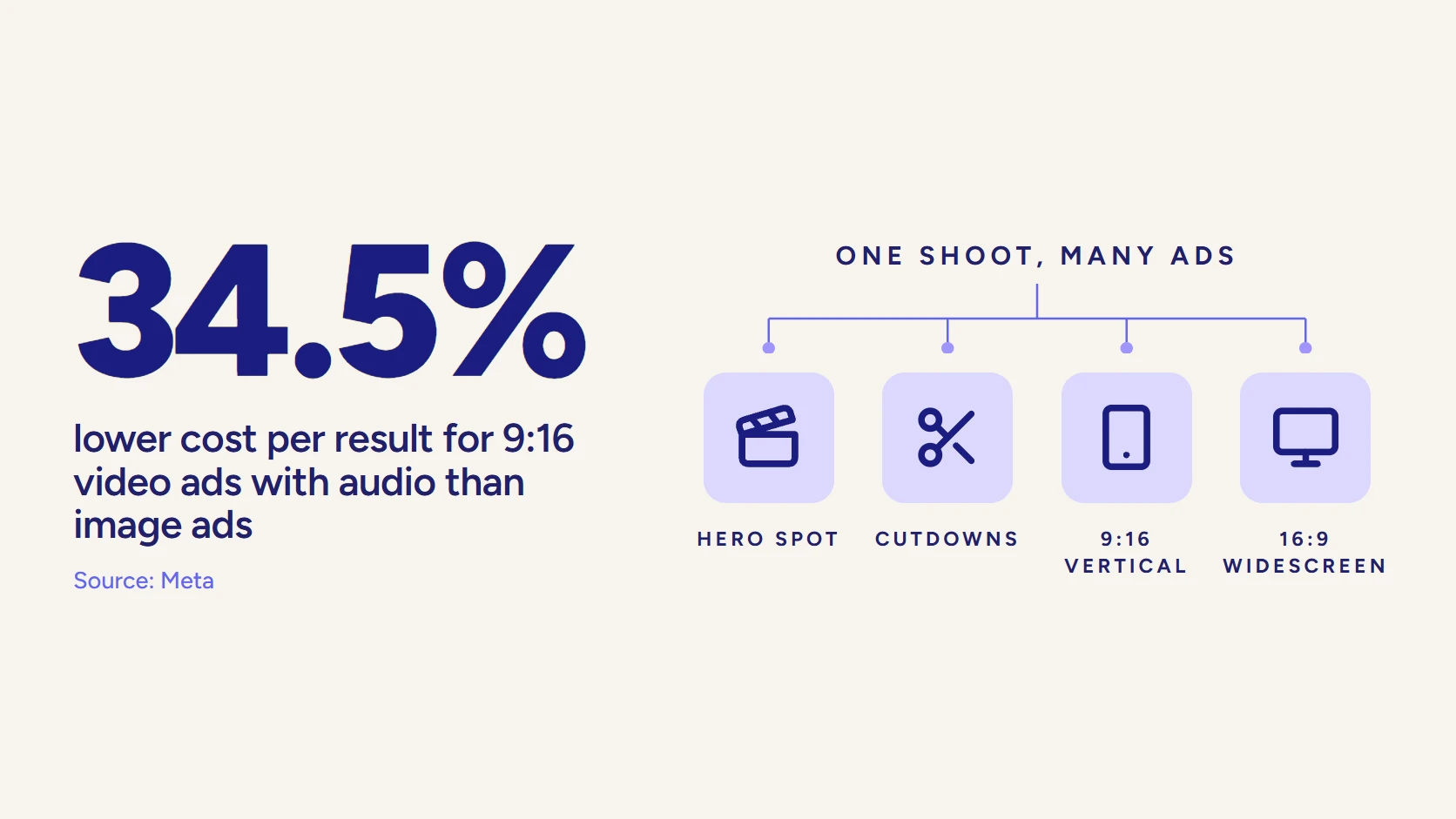
Instead of delivering a single hero cut and stopping there, engagements are planned as multi-asset campaign systems engineered for B2B demand-generation teams.
A typical engagement may include:
- 60- to 90-second hero videos
- Paid media cutdowns
- LinkedIn and YouTube variants
- Website placements
- SDR-ready edits
- Retargeting assets
- Channel-optimized exports
This structure helps marketing leaders reduce internal coordination overhead while giving sales and demand generation teams usable assets immediately after launch.
Best For: B2B marketing teams that need campaign creative tied to demand generation, buyer education, and sales enablement workflows.
Standout Features
- Buyer-stage messaging strategy
- Multi-asset campaign delivery
- Structured approval workflows for stakeholder-heavy teams
- Nationwide production support across 10 U.S. cities
- Sales-ready asset planning tied to existing demand generation channels
Pros
- Reviewers for LocalEyes on Clutch frequently highlight communication quality, responsiveness, and project organization.
- Smooth collaboration across scripting, filming, editing, and delivery.
- Flexibility across timelines, deliverables, and stakeholder requirements.
Cons
- Premium B2B video production workflows may exceed the needs of teams looking for basic one-off deliverables.
Review the LocalEyes portfolio to see how video assets can support paid media, sales enablement, and buyer education.
2. Richter Studios
Richter Studios positions itself around cinematic corporate storytelling, branded content, executive communication, and commercial production. The company’s portfolio includes interviews, recruiting content, nonprofit storytelling, and brand-focused campaigns.
Best For: Organizations focused on executive communication, recruiting, company storytelling, and cinematic brand presentation.
Pros
- Reviewers for Richter Studios on Clutch frequently highlight professionalism, responsiveness, and collaborative communication.
- Strong production quality and well-executed final deliverables.
- Experience with healthcare, nonprofit, education, and corporate brand storytelling.
Cons
- Leans more heavily toward cinematic storytelling than modular campaign deployment.
3. Video Parachute
Video Parachute positions itself around helping organizations maximize the value of video content through branded storytelling, recruiting videos, customer stories, and educational content.
Best For: Mid-market companies seeking collaborative branded content and internal or external communication assets.
Pros
- Reviewers for Video Parachute on Clutch frequently highlight responsiveness and communication throughout projects.
- Organized workflows and collaborative production management.
- Strong interview-driven storytelling and approachable production teams.
Cons
- Emphasizes storytelling and communication more than performance-focused demand generation deployment.
4. Bottle Rocket Media
Bottle Rocket Media offers live-action production, animation, event coverage, motion graphics, and branded video campaigns. The company’s portfolio spans corporate communication, educational content, product marketing, and promotional campaigns.
Best For: Companies needing a mix of animation, live action, event content, and branded marketing assets.
Pros
- Reviewers for Bottle Rocket Media on Clutch frequently praise creativity, communication, and project execution.
- Strong animation and motion graphics capabilities.
- Organized production management and reliable delivery timelines.
Cons
- The company’s profile shows a broad mix of video production, broadcast video, and event work, so B2B buyers should confirm the process is focused enough for demand generation-specific deliverables.
5. Demo Duck
Demo Duck is known for animated explainers, customer stories, product videos, and narrative-driven branded content. The company has a strong reputation in explainer-style communication and educational storytelling for software-as-a-service (SaaS) and technology companies.
Best For: SaaS and technology companies needing explainer videos, educational content, or animated product communication.
Pros
- Reviewers for Demo Duck on Clutch frequently highlight communication quality and organized project management.
- Deep experience with SaaS explainers and educational product communication.
- Reviewers often praise clarity around timelines, revisions, and stakeholder coordination.
Cons
- Leans more heavily toward explainers and storytelling than toward full demand generation asset systems.
Why B2B Marketing Leaders Should Evaluate Production Fit Like a Campaign Channel
The real test of a video partner starts after the final file lands in your inbox. Your paid team needs shorter variants. Sales wants proof clips. SDRs ask for outreach assets. Product marketing wants a version that speaks to a different buyer objection.
If those needs were not planned before scripting, your team is left trying to stretch one video across five jobs it was never built to handle. A stronger production process maps the asset system before production begins, so every cut has a clear role inside your campaign.
That means evaluating production partners the same way you would evaluate any other campaign channel:
- Buyer-Stage Alignment: Messaging should drive awareness, consideration, and decision-stage conversations across the funnel.
- Asset Modularity: One engagement should support multiple placements, channels, and internal teams.
- Operational Reliability: The production process should reduce internal workload rather than create additional coordination overhead.
- Sales Usability: Deliverables should work inside real sales conversations, outreach workflows, and buyer follow-up sequences.
B2B teams need assets engineered to work inside existing demand generation systems.
How to Spot a Chicago Partner That Can Support Sales Enablement
Sales enablement support rarely shows up in a highlight reel. It shows up in how the partner structures messaging, deliverables, and handoff before your sales team ever asks for a clip.
A useful B2B production partner should create assets that sales teams can reuse across outreach, presentations, demos, procurement conversations, and post-demo follow-up. Those use cases need to be planned early, not pulled from a single final edit after launch.
Look for these indicators during evaluation:
- Customer Proof Assets: Testimonial clips, customer outcomes, implementation insights, and buyer validation should be easy for sales teams to reuse.
- Executive Soundbites: Short edits should help reps support outreach, follow-up conversations, and stakeholder education.
- Modular Deliverables: Variants should be optimized for landing pages, SDR outreach, retargeting, and paid campaigns.
- Message Development Support: Strategic scripting should connect to buyer objections and decision-stage friction.
- Structured Handoff Processes: Exports, naming conventions, usage guidance, and deployment recommendations should be organized before delivery.
A reel can show what the provider can make. The production structure shows whether sales can actually use it.
How to Choose the Right Corporate Video Production Partner in Chicago
The right production partner depends on how your organization plans to use the content after launch. A recruiting campaign, a customer-proof campaign, a product explainer, an executive message, and a paid acquisition asset all require different scripting, approvals, and deliverable planning.
Before selecting a provider, use this checklist to evaluate both strategic fit and production scope:
- Audience Complexity: Clarify who needs to understand the message, what they already know, and which objections the video needs to address.
- Deployment Channels: Confirm whether the asset will support paid media, sales enablement, onboarding, recruiting, executive communication, or buyer education.
- Approval Structure: Identify how many stakeholders need input and how the provider manages scripting, feedback, revisions, and final signoff.
- Asset Requirements: Ask what deliverables are included beyond the hero edit, including paid variants, platform-specific exports, SDR clips, or sales-ready cutdowns.
- Message Development: Understand how the provider develops messaging and whether that process connects to sales, demand generation, or buyer education.
- Internal Workload: Be clear on how much project management your team will need to absorb during production.
- Timeline Fit: Make sure the process supports your launch window without sacrificing revision quality or creating last-minute asset gaps.
The cheapest production option can become the most expensive once additional edits, missing deliverables, or campaign gaps appear later.
Start Your Corporate Video Project With LocalEyes
The top video production companies in Chicago can all deliver a finished video. Fewer can help your marketing team build campaign-ready assets that support pipeline generation, sales enablement, and buyer education after launch.
LocalEyes approaches video production as part of a broader B2B demand generation system. Projects are structured around buyer-stage messaging, modular deliverables, and downstream channel deployment before filming starts.
If your team needs video engineered for revenue-facing channels instead of one-off creative delivery, talk through your video plan with LocalEyes.

Founder at LocalEyes Video Production | Inc. 5000 CEO | Emmy Award Winning Producer