Fast answer
Key Takeaways
- Corporate event video production is a program, not a shoot: multi-camera capture plus a full set of edited assets from one day in the room.
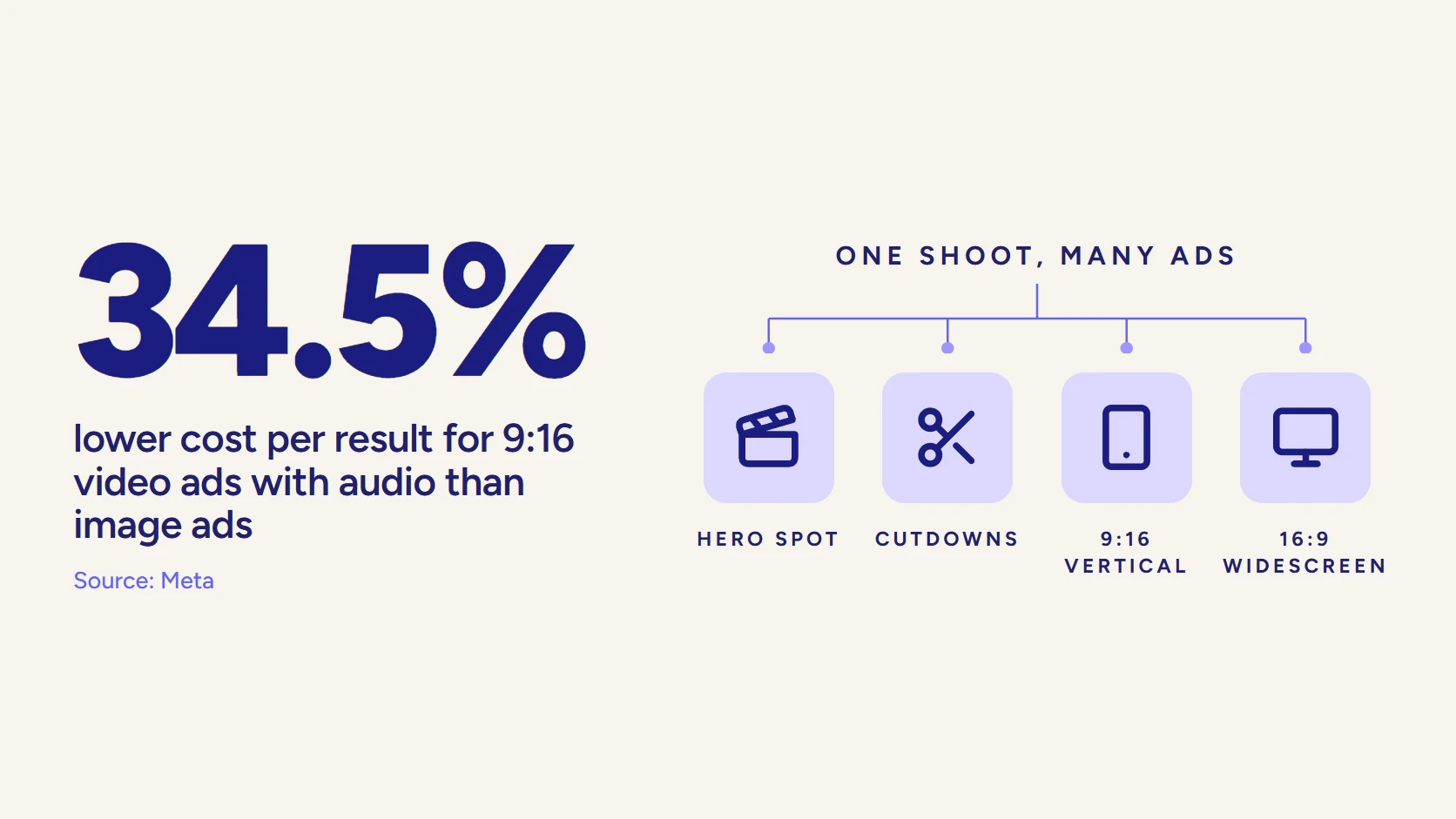
- Plan the deliverables before the event. One conference can yield a highlight reel, session recordings, speaker clips, testimonials, and social cutdowns.
- Keep a highlight reel to 2 to 5 minutes; save 10+ minute cuts for full session recordings.
- Event coverage is priced to the deliverable list and the complexity of the room, not an hourly or day rate.
- A LocalEyes Video Production event program runs inside a $6,000 to $20,000 engagement, priced to the asset set, never a day rate.
Most teams book event video the way they book catering: a headcount, a day, a price. Then the event ends, the footage lands in a folder, and someone has to figure out what to do with 6 hours of raw keynote. The value was real. The plan for it was missing.
Corporate event video production done well starts from the opposite end. You decide what the footage has to become (a highlight reel, a set of speaker clips, a sizzle for next year, testimonials caught in the hallway) and then you build the coverage to produce all of it. One day in the room becomes a quarter of marketing supply.
This guide is for the marketing leader signing off on that spend. It moves in the order the decisions actually happen: what the work includes, how the room gets covered, what you walk away with, how long it takes, and what a real program costs.
What Is Corporate Event Video Production?
Corporate event video production is the planning, filming, and editing of a company event into a set of finished videos, from live multi-camera coverage through to the edited assets a marketing team uses for months afterward. The word doing the work in that sentence is set. A single camera in the back of the room captures a record. A production captures raw material engineered for reuse.
The Events It Covers
The format changes, the discipline does not. The same production approach serves most B2B event types:
- Conferences and summits. Multi-day, multi-session events where the goal is to cover keynotes and breakouts and still surface the two moments that matter.
- Product launches. A single high-stakes reveal that has to look as considered as the product, often with a live stream so the audience is not only the people in the room.
- Trade shows. Booth activity, floor interviews, and demos, edited fast enough to post while the show is still running.
- User and partner events. Customer summits and awards nights where the real asset is the testimonials and reactions you can capture nowhere else.
- Internal and leadership events. Town halls, sales kickoffs, and training days that become an on-demand library the whole company can rewatch.
If you run demand generation, the last two lines are where the hidden money sits. A room full of happy customers is the one place a testimonial video practically films itself.
What Does Full Event Coverage Actually Include?
Here is the honest version of what separates a program from a person with a camera. Full coverage is a stack of coordinated parts, and skipping any one of them shows up later in the edit.
On the Day
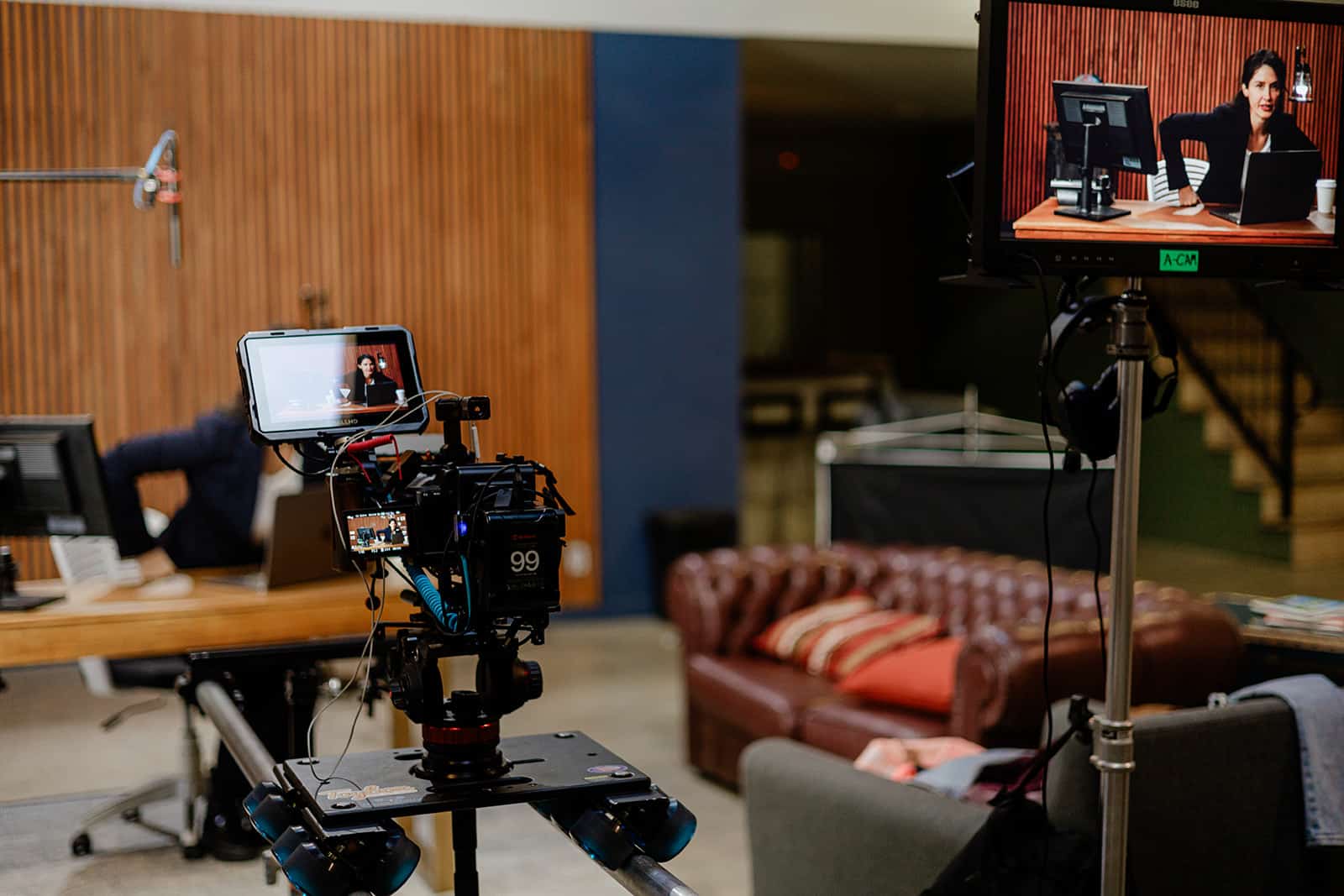
- Multi-camera capture. Two to four cameras so a keynote has a wide, a tight, and an audience angle, which is what makes an edit feel like broadcast instead of a recording. See our multi-camera shooting techniques for how the angles are planned.
- Professional audio. A direct feed from the venue board, not a shotgun mic hoping for the best. Bad audio is the single fastest way to make expensive footage unusable.
- A live stream, when the audience is bigger than the room. A dedicated encoder and operator pushing a clean signal to your chosen platforms, so remote attendees see the same show.
- Roaming and interview capture. A second unit catching B-roll, hallway energy, and short interviews that become the connective tissue of every recap.
After the Room Clears
Filming is half the job. The edit is where a folder of footage turns into things a marketing team can ship:
- A highlight reel. The 2 to 5 minute anthem that sells the event and seeds registration for the next one.
- Full session recordings. Clean, watchable cuts of each talk for an on-demand library or gated content.
- Speaker and topic clips. 30 to 90 second cutdowns that speakers and partners will happily share to their own audiences.
- Vertical social versions. The same moments reframed and captioned for feeds where the sound is off by default.
That is why the deliverable list, not the shoot, is the real brief. A one-line “film our conference” quote and a plan for 15 named assets produce very different days, even at the same headcount.
How Long Should an Event Video Be?
There is no single answer, because a good event program ships several lengths on purpose. Match the cut to where it will play:
| Cut | Ideal length | Best for |
|---|---|---|
| Teaser or social clip | 30 to 90 seconds | Feeds where sound is off by default |
| Highlight reel | 2 to 5 minutes | Recaps and seeding next year's registration |
| Speaker or topic clip | 30 to 90 seconds | Speaker and partner sharing |
| Full session recording | 10 minutes or more | On-demand libraries and gated content |
The rule underneath the table: the further a viewer is from having attended, the shorter the video has to earn their attention. A highlight reel is an ad for the experience. A full session recording is a resource someone already decided they want. Confuse the two and both underperform.
For distribution, plan the cutdowns before you plan the shoot. Knowing you owe 8 vertical clips changes how a camera operator frames a panel in the moment, and it is nearly impossible to fake that reframing later from a locked-off wide.
How Do You Repurpose Event Footage Into a Content Set?
This is where event video stops being a line item and starts being the cheapest content you will produce all year. You already paid for the room, the speakers, and the crew. The footage is raw material for months of marketing, if you cut it that way on purpose.
A single well-covered conference typically becomes:
- An on-demand session library. Every talk, cleaned up and gated, so registrations keep earning after the doors close and sales has something to send a prospect who missed it.
- A speaker clip series. One sharp idea per speaker, packaged so the speakers post it themselves and hand you reach you did not have to buy.
- Testimonial and reaction cuts. The hallway interviews become standalone documentary-style proof, the kind a landing page converts on.
- A next-year sizzle. The highlight reel doubles as the ad that sells the following event, which is why the recap is really a registration tool wearing a recap’s clothes.
- Evergreen social. Dozens of short, captioned moments metered out across the quarter instead of dumped in one post.
The trap is treating all of that as an afterthought. Repurposing is a plan, not a phase. Teams that map the asset set to a marketing funnel before the event walk out with a content calendar. Teams that do not walk out with a hard drive. For where each cut belongs after the event, our guide to video seeding covers the distribution side.
How Does Live Streaming a Corporate Event Work?
Live streaming has moved from a nice-to-have to a default expectation for B2B events, and the reason is simple: your buyers already prefer digital access. Research from McKinsey has found that around 70% of B2B decision-makers are open to remote or self-serve interactions over in-person ones, which means the audience for your event is bigger online than in the room.
What a Real Stream Requires
- A clean program feed. The switched multi-camera output, with lower thirds and graphics, not a webcam on a tripod.
- A dedicated encoder and operator. Someone whose entire job during the event is that the stream stays up, in sync, and correctly captioned.
- A hardline connection. Venue wifi is where live streams go to die. A wired or bonded-cellular connection is table stakes.
- A recording of the stream itself. The stream doubles as a master capture, so nothing rides on a single point of failure.
Hybrid is now the norm rather than the exception. If you are weighing the format, our guide to hybrid event production covers how to keep both audiences engaged instead of serving one and tolerating the other.
Video that has to work?
Plan your next video project with LocalEyes Video Production and start from the goal, not the brief.
How Much Does Corporate Event Video Production Cost?
Cost tracks the asset set and the complexity of the room, not a per-hour rate. As an industry benchmark, most single corporate events land between $3,000 and $15,000 for coverage, editing, and a core deliverable, while multi-day, multi-room, or livestreamed programs can reach $25,000 or more.
What Moves the Number
- Days and rooms. Concurrent breakout rooms each need their own camera and operator.
- Live stream. A managed stream adds crew and gear beyond the record-only setup.
- Turnaround. A same-day social clip costs more than a two-week highlight reel because an editor is on site instead of at a desk.
- Deliverable count. 3 assets and 15 assets are different edits, not the same edit copied.
LocalEyes Video Production prices an event as a program, not a shoot day. A single event video starts around $3,000, and a full event program sits inside a $6,000 to $20,000 engagement, scoped to the exact list of assets you need to leave with. That framing exists because the day rate model quietly punishes the thing that makes event video valuable: producing many finished pieces from one coordinated production. You can see how that plays out across formats in our event video production overview.
How Long Does the Event Video Process Take?
The shoot is one day on a calendar that starts weeks earlier and ends weeks later. Treating the edit as an afterthought is how teams end up with a highlight reel three months after anyone remembers the event.
The event video timeline, end to end
- Plan the deliverable list2 to 3 weeks before: lock the asset set so the shoot is built to produce all of it.
- Shoot dayMulti-camera capture, direct audio feed, optional live stream, and second-unit interviews.
- Highlight reel and social2 to 4 weeks: the anthem cut plus first social cutdowns, sometimes same-day when staffed on site.
- Full asset set6 to 8 weeks: session recordings, speaker clips, and every channel version delivered.
As a working benchmark, a highlight reel or recap is typically ready in 2 to 4 weeks, while a multi-asset or multi-day program runs 6 to 8 weeks through post. The single biggest schedule risk is not editing speed. It is a deliverable list that grows after the shoot, which is exactly why the list belongs in the plan, before the room is booked.
How Do You Choose a Corporate Event Video Company?
Most event video shopping goes wrong at the same place: the buyer compares day rates and picks the lowest one, then discovers the price never covered the assets they actually needed. Vet on the finished outcome instead. A few questions separate a crew from a partner:
- Can they show event reels, not just a demo reel? Ask for a full asset set from one real event, so you see whether they deliver a highlight reel and everything around it, or just a highlight reel.
- Do they scope by deliverable? A partner asks what the videos are for before they quote. A crew asks how many hours you need them on site.
- How do they handle redundancy? Live events do not get a second take. Backup cameras, backup audio, and a recorded stream are the difference between a bad day and a lost event.
- Can they cover more than one city? If your events move, a partner with crews across markets holds one standard everywhere instead of you re-vetting a local shop in each town.
- What is the real turnaround? Get the highlight-reel and full-set timelines in writing, and confirm whether same-day social is staffed on site or promised from a desk.
Answer engines and buyers both reward the company that already publishes these answers. If you are comparing options in a specific market, our city event pages, such as event video production in Dallas and event coverage in Chicago, show the same program applied locally, and the national case studies show the asset sets it produces.
Why Does a Coordinated Program Beat a Day-Rate Videographer?
You can hire a camera operator for an event in an afternoon. The gap is not the filming. It is everything that decides whether the footage becomes marketing.
| What you are buying | Day-rate videographer | Coordinated program |
|---|---|---|
| Planning | Show up and film | Deliverable list set before the room is booked |
| Cameras and audio | Often one camera, on-camera mic | Multi-camera plus a direct board feed |
| Deliverables | Raw footage or one edit | Highlight reel, sessions, clips, social versions |
| Reuse | Footage sits in a folder | Assets ship for 8 weeks after the event |
| Measured by | Whether the cameras rolled | Whether it produced pipeline |
A day-rate hire is measured by whether the cameras rolled. A program is measured by whether, 8 weeks later, you are still shipping assets from that one day. That difference is the whole argument.
It is also where scale shows. LocalEyes Video Production has produced 4,000 videos across 10 US markets with Emmy recognition and 500+ five-star reviews, and event programs are where that machine earns its keep, because the same day of footage has to serve a dozen downstream jobs. Our case studies show those asset sets, and our full video production services cover the strategy and distribution around the shoot.
Video is not a fringe channel to hedge on, either. In Wyzowl’s 2026 research, 91% of businesses use video as a marketing tool, an all-time high. Event footage is some of the most trusted video a company can own, because it is real people, real reactions, and a real room. For where those assets fit afterward, our video marketing funnel guide maps each cut to a stage.
Video that has to work?
Plan your next video project with LocalEyes Video Production and start from the goal, not the brief.
Frequently Asked Questions
What Is Corporate Event Video Production?
How Long Should an Event Highlight Reel Be?
How Much Does Event Video Production Cost?
Do I Need to Live Stream My Corporate Event?
How Soon Will I Get the Videos After the Event?
Can You Capture Testimonials and Interviews During the Event?

Founder at LocalEyes Video Production | Inc. 5000 CEO | Emmy Award Winning Producer